

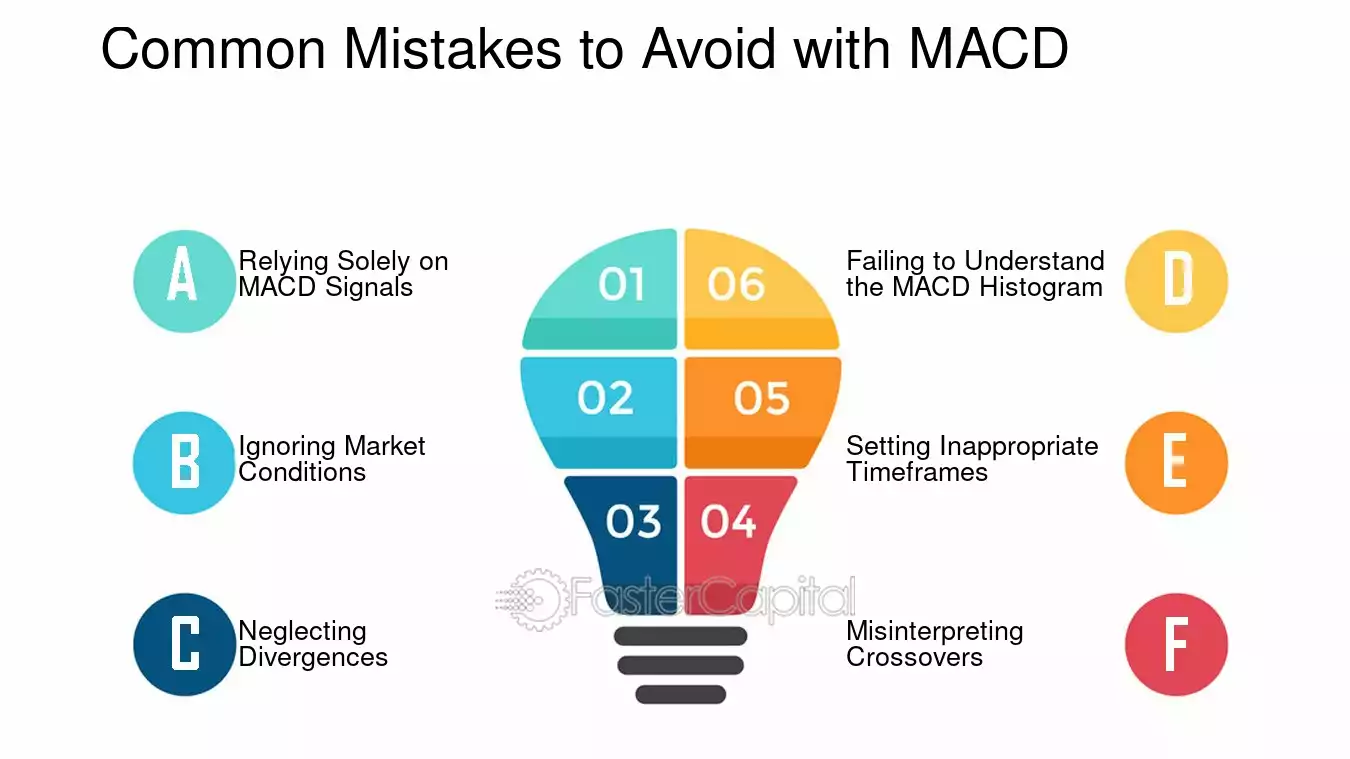
The MACD (Moving Average Convergence Divergence) indicator is a favorite among traders, yet common missteps can turn its signals into traps. Avoiding these pitfalls can mean the difference between losses and consistent gains. In this guide, we’ll break down the top mistakes traders make with MACD and how to bypass them for sharper, smarter trading decisions. Are common MACD mistakes holding you back? Altex Momentum links traders with experts who can help identify these pitfalls and boost strategy effectiveness, bringing fresh perspectives to improve trading.
Mistake 1: Over-Reliance on the MACD Crossover Without Contextual Confirmation
Relying solely on the MACD crossover can be a recipe for frustration in trading. Think of the crossover as a weather forecast—it gives you an idea, but you don’t just grab an umbrella because it might rain. The MACD crossover, while useful, doesn’t tell the full story. Just as you wouldn’t make travel plans based only on weather apps, trading requires a broader view.
The MACD crossover typically signals when the MACD line crosses above or below the signal line, which traders often take as a buy or sell cue. But there’s a catch: this indicator has a lag because it relies on past price data. In a fast-paced market, this delay can mean you’re reacting to yesterday’s news.
It’s crucial to bring in other tools or indicators—like trendlines or resistance levels—to make sure that the MACD isn’t leading you astray. Imagine diving into a pool without checking the depth—this is the trading equivalent of diving in without checking trends.
Look at an example: if a crossover suggests a buy in a bearish market, it could mean trouble. The downtrend might continue despite the crossover signal, leaving traders in a tough spot.
So how can this be avoided? Always pair MACD insights with tools that confirm market conditions. Consider the overall trend by using a 50-day or 200-day moving average. Are things looking positive in the long term?
If not, a quick MACD signal might just be a fluke. For anyone aiming to make profitable decisions, combining MACD with broader market insights is essential.
Mistake 2: Ignoring MACD Divergences and Their Role in Trend Reversals
Ignoring MACD divergences is like driving with one eye closed—you’ll get there, but it won’t be pretty. Divergences occur when the price moves in the opposite direction of the MACD indicator.
While subtle, they can signal trend reversals that are hard to spot otherwise. Think of a divergence as a nudge from the market, hinting that the current trend might be wearing thin.
For instance, if the price of an asset is rising, but the MACD is heading downward, it could be a sign that momentum is fizzling out and a reversal might be on the horizon.
These patterns can give early warnings, which is gold for traders looking to jump ahead of major shifts. Picture a marathon runner slowing down in the last lap—the price might still inch upward, but the MACD reveals the lack of fuel left in the tank.
To get the most out of divergences, pay close attention to both bullish and bearish signals. In a bullish divergence, for example, where the MACD is rising while the price falls, it could signal an upcoming rally.
Conversely, a bearish divergence—where the price rises while the MACD falls—can hint that a peak has been reached, and it may be time to sell. Ignoring these signals can result in missed opportunities or, worse, unexpected losses. For anyone looking to play smart, tuning into these signals is a wise move.
Mistake 3: Using Default MACD Settings in All Market Conditions
Sticking to the default MACD settings is like always wearing summer clothes—you’re bound to get caught in the cold eventually. The default settings (12, 26, 9) work well in average market conditions but aren’t a one-size-fits-all. Just as a runner adjusts their gear based on the weather, traders should tailor the MACD settings to suit different market environments.
Here’s why this matters: in fast-moving markets, shorter timeframes (like 5, 9) for the MACD can offer quicker signals, letting traders react faster. For those focusing on long-term investments, longer settings (20, 50) may work better to capture bigger trends and filter out market noise. Consider the MACD like a camera lens—sometimes you want a wide angle to see everything; other times, zooming in helps catch finer details.
An example helps clarify this: in a volatile market, where prices swing rapidly, using shorter settings allows traders to catch these moves early.
However, in a slower, steady market, shorter settings can create false alarms, causing unnecessary trades. Experienced traders often experiment with settings that match their strategies. This small tweak can be the difference between catching profitable trends and getting tangled in market noise.
Conclusion
Mastering MACD is about more than just understanding crossovers or divergences—it’s about knowing how to adapt. By sidestepping these common mistakes, traders can improve their accuracy and confidence in navigating any market. Use these insights to refine your strategy and make MACD an effective ally on your trading journey.