

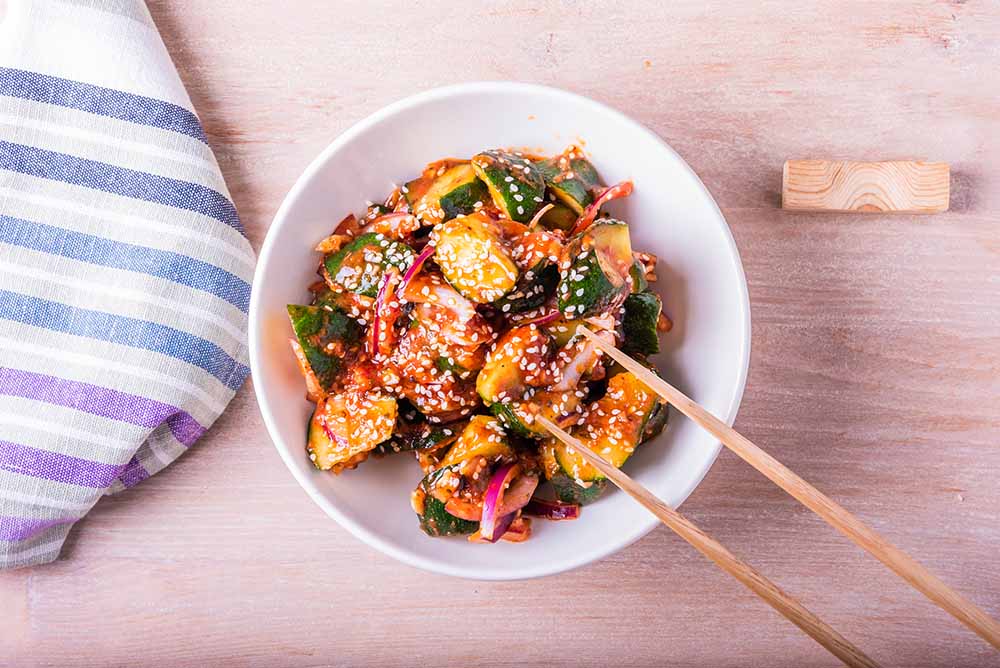
Apart from Korean entertainment and cosmetics, there is another Korean trend that has picked up a lot of traction in recent times and gained international attention. It is the Korean food culture of Korean cuisine. People who consume Korean media and music products become highly interested in other elements of Korean culture and discover their cuisine, which helps it spread further.
Korean cuisine is full of flavour and uses many different ingredients to complement each other to create the most delightful meals. However, most associate Korean food with barbeque and seafood, which makes vegetarian people hesitate to try Korean cuisine. They can not be any far from the truth because Korean food culture boasts of one of the most delicious and satisfying vegetarian dishes. They use a variety of seasonal vegetables, spices and ingredients that give their food a unique taste and identity. This article will try to find some of the most flavorful vegetarian Korean dishes.
Understanding Korean Vegetarian Cuisine
To make the most of Korean vegetarian dishes, you will need to identify and understand the significant components used in various Korean dishes. This will help you create and recreate Korean dishes more quickly since you know the most common ingredients.
Tofu (Dubu): Tofu is a soft and silky product made from Soybeans. It is a good source of protein and is used to replace meat in Korean dishes. It can be fried separately or cooked in broth.
Vegetables: Vegetables are a significant source of nutrients and flavour in Korean dishes. While some are fresh and seasonal, like spinach and bean sprouts, others are fermented, like kimchi.
Grains: Korean vegetarian dishes food culture is heavily based on grains. Rice is used as a base in many dishes and is the major source of carbohydrates in their meals. Similarly, they also use barley in the form of noodles. Therefore, be ready to add lots of grains to your meal if you want to taste Korean cuisine.
Seasonings: You cannot get authentic Korean flavours without using their seasonings. Gochujang (fermented chilli paste), doenjang (fermented soybean paste), ganjang (soy sauce), sesame oil, garlic, and ginger are the most common seasonings used to create their flavour. They add a spicy kick to their dishes and give them their signature flavour.
Must-Try Dishes
Bibimbap: Bibimbap is the most iconic Korean vegetarian dish and recognizable by any Korean fan. It is highly flavourful and nutritional. This dish consists of rice and different kinds of sautéed vegetables cooked together, and Gochujang is added for colour and taste. The usual vegetables include carrots, mushrooms, zucchini, bean sprouts and spinach, while Gochujang and sesame oil are used to add a spicy and nutty flavour to Bibimbap.
Japchae (Glass Noodles with Vegetables): Japchae is an incredibly popular noodle dish made with sweet potato starch. It is made by stir-frying the glass noodles with fresh vegetables like onions, carrots, mushrooms and beans. Sesame oil and soy sauce add flavour to this glass noodle. While it can be eaten as a main dish in a light meal, it is also often used as a side dish.
Kimchi Jjigae (Kimchi Stew): Kimchi has become a symbol of Korean food culture and can be used in various ways in cooking. The most popular way Kimchi can be used is by making it a stew. Although the popular variety of kimchi stew uses pork or seafood, it can be adapted to suit Korean vegetarian dishes tastes as well. The base requires you to use kimchi and spicy fermented cabbage and add vegetables, mushrooms, and tofu to enrich the stew. This is a perfect dish to enjoy during cold winter days.
Pajeon (Scallion Pancake): Pajeon is a savoury Korean pancake. It is a very popular snack in Korea and is often served with a dipping sauce of soy sauce and vinegar. The batter consists of flour, water and scallions, fried in a pan until golden brown and crispy. You can even add other vegetables to the batter to add flavour according to your taste.
Tteokbokki (Spicy Rice Cakes): Tteokbokki is among other popular Korean vegetarian dishes made with rice cakes. The rice cakes are incredibly chewy and cooked with Gochujang sauce to give them a spicy flavour. Depending on your taste, vegetables like onions, mushrooms, carrots, or other vegetables can be added to provide Tteokbokki with its unique flavour and crunch. The rice cakes’ texture and the sauce’s spiciness create a mouth-watering combination that will curb your cravings for Korean food.
Conclusion
Korean cuisine can take an individual on a wild adventure with its spicy and tangy flavours. Many Korean dishes heavily feature meat-based products, so it is advised to study the labels of their products to ensure that you will be able to choose Korean vegetarian dishes. You can also experiment with your version by replacing vegetables with your own local and seasonal vegetables to recreate some of the dishes that contain a lot of vegetables. Embrace their spices and flavours to recreate the magic of Korean cuisine in your kitchen.