

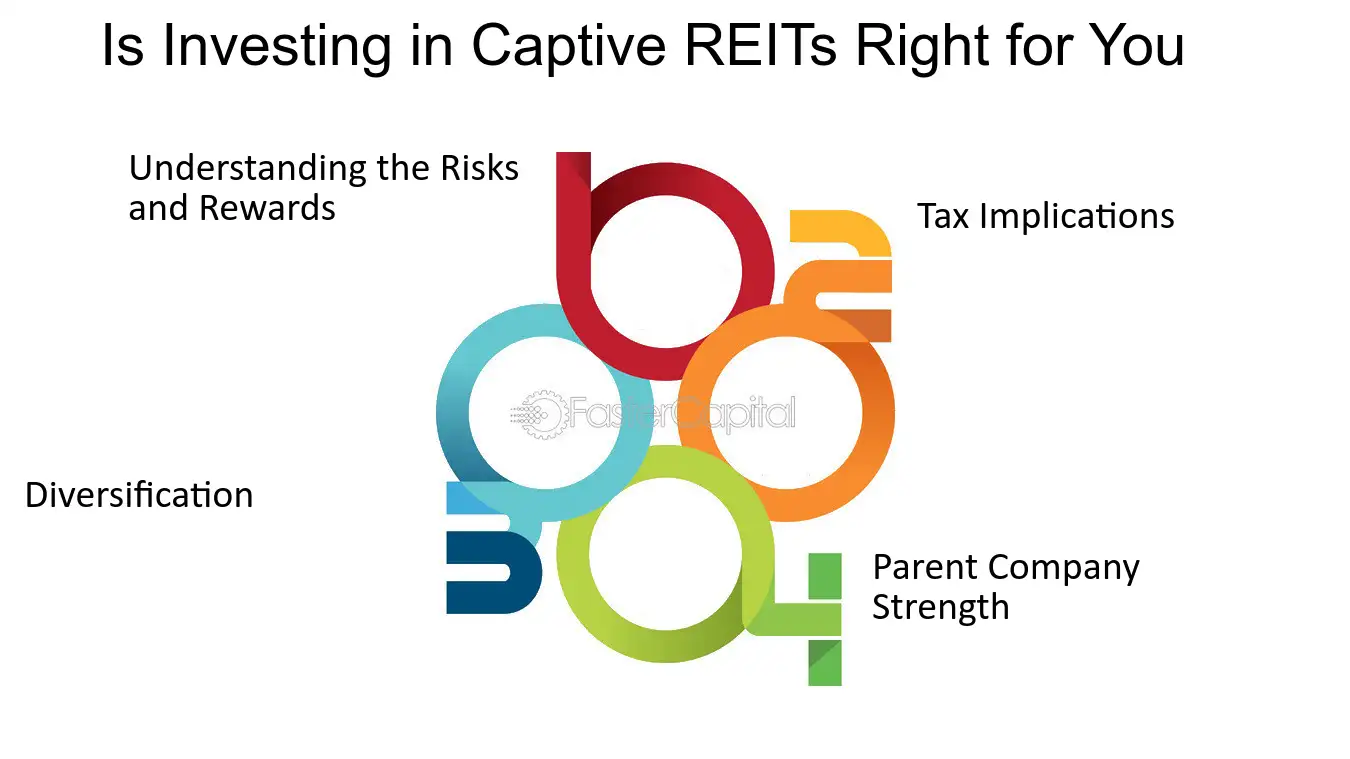
Real Estate Investment Trusts (REITs) provide an opportunity for individuals to invest in real estate without directly owning physical properties. They offer a way to earn passive income while diversifying an investment portfolio. However, like any investment, REITs come with risks and benefits that should be carefully considered.
For those exploring townhouses for sale in Whitby, understanding how REITs work can help in evaluating whether direct property ownership or investing in real estate through REITs is the right approach.
What Are REITs?
A Real Estate Investment Trust (REIT) is a company that owns, operates, or finances income-generating real estate. Investors can buy shares in REITs just like they would with stocks, allowing them to benefit from real estate market growth without dealing with property management.
REITs invest in various types of properties, including residential complexes, commercial buildings, shopping malls, and industrial facilities. Some REITs also focus on mortgages and property financing rather than owning physical buildings.
Types of REITs
- Equity REITs: These own and manage income-generating real estate, such as apartments, office buildings, and retail centers. They earn revenue mainly through rent collection.
- Mortgage REITs (mREITs): These provide financing for real estate purchases by investing in mortgages and mortgage-backed securities. Their revenue comes from interest earned on loans.
- Hybrid REITs: These combine both equity and mortgage REIT strategies, owning properties while also investing in mortgages.
- Publicly Traded REITs: These are listed on stock exchanges and can be bought and sold like stocks.
- Private REITs: Not publicly traded and often limited to institutional investors or high-net-worth individuals.
- Non-Traded REITs: Registered with the SEC but not traded on public exchanges, making them less liquid.
Pros of Investing in REITs
- Passive Income Generation
REITs distribute at least 90% of their taxable income to shareholders as dividends, providing a steady income stream. - Diversification
Investing in REITs allows individuals to diversify their portfolios by gaining exposure to real estate without purchasing physical properties. - Liquidity
Publicly traded REITs offer liquidity, meaning investors can buy or sell shares easily without the complexities of selling a physical property. - Lower Initial Investment
Compared to purchasing real estate directly, investing in REITs requires significantly less capital. - Professional Management
REITs are managed by professionals who handle property acquisition, leasing, and maintenance, reducing the burden on individual investors.
Cons of Investing in REITs
- Market Volatility
Since publicly traded REITs function like stocks, their value fluctuates with market trends, making them susceptible to volatility. - Tax Implications
REIT dividends are typically taxed as ordinary income rather than capital gains, which may lead to higher tax liabilities for investors. - Limited Control
Investors in REITs do not have control over property decisions, as these are managed by the trust’s executives. - Interest Rate Sensitivity
When interest rates rise, REIT share prices may decline because higher borrowing costs affect profitability and make bonds more attractive to investors. - Fees and Expenses
Some REITs, especially non-traded and private ones, charge high management and transaction fees, reducing overall returns.
REITs vs. Direct Real Estate Investment
While REITs offer passive income and diversification, direct real estate investment provides more control and potential for long-term appreciation. Individuals investing in real estate may benefit from capital appreciation and rental income but must also consider property management responsibilities and maintenance costs.
Key Differences:
- Liquidity: REITs offer easy access to funds, whereas selling a property can take time.
- Control: Property owners make their own investment decisions, while REIT investors rely on fund managers.
- Income Stability: REITs provide consistent dividend payouts, whereas rental income depends on tenant occupancy and market demand.
- Capital Growth: Real estate may appreciate significantly over time, whereas REIT growth depends on market trends and management performance.
Is a REIT Right for You?
Investing in a REIT may be suitable for individuals who:
- Prefer passive income without dealing with property management.
- Seek portfolio diversification beyond stocks and bonds.
- Want exposure to real estate with a lower initial investment.
- Require liquidity and flexibility in their investments.
On the other hand, direct property ownership may be ideal for those who:
- Prefer hands-on management and decision-making control.
- Seek long-term capital appreciation.
- Are comfortable handling property maintenance and tenant relations.
Final Thoughts
REITs present an accessible way to invest in real estate without the burden of property ownership. They offer attractive income potential, liquidity, and diversification benefits but come with risks such as market volatility and tax implications.
For those evaluating investment options, comparing REITs to direct property ownership can help determine the best approach based on financial goals and risk tolerance. Understanding the advantages and limitations of each strategy will enable investors to make informed decisions that align with their long-term wealth-building plans.