

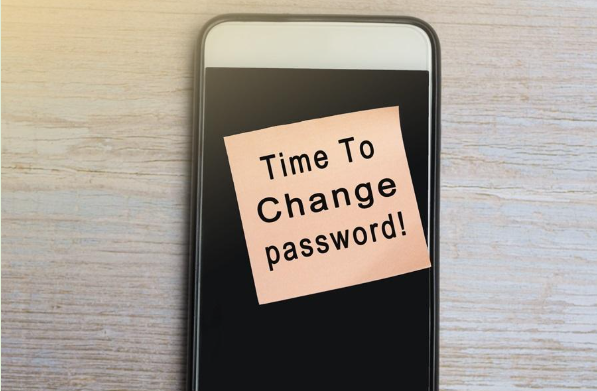
We live in an increasingly digitalized world, where online interactions have become an integral part of everyday life, as the virtual and physical realms continue to converge. You’d think that this growing reliance on modern technologies and online services would make people extremely concerned about cybersecurity and painfully aware of the need to use strong passwords, since these serve as the gatekeepers to their digital experiences, preventing prying eyes and malicious entities from accessing their personal information and using it to their benefit.
Unfortunately, the opposite is often true. Far too many individuals underestimate the importance of setting secure passwords, which is usually a consequence of poor digital literacy or simply the false sense of security that comes from never having experienced a password breach, making them think that a hack could never happen to them. But it can happen to anyone, especially to those who are careless and disregard password best practices.
So, if you want to reduce cybersecurity risks as much as possible and protect your accounts and the sensitive data they hold, it helps to know what strong passwords are made of.
Length
Let’s start with one of the most important – and unfortunately one of the most overlooked – aspects in password creation, namely length. Longer passwords are better because with every additional character they include, the number of possible combinations increases, making it exponentially harder for hackers to crack them.
It’s simple math. Sometimes, bad actors use brute force attacks to guess passwords, meaning they try every possible combination of characters until they find the correct one. It stands to reason that it takes considerably more time and effort to crack a longer password that requires hackers to try quintillions of different combinations, making the attempt rather impractical.
Complexity
It’s no secret that people are drawn to convenience and simplicity. That’s just how the human brain is wired, to always seek the easiest path and avoid unnecessary complications. However, when it comes to password creation, this tendency to opt for the simplest solution is exactly what gets people in trouble.
Case in point: the overused 123456 and “password” passwords, which are basically an open invitation for hackers to access your accounts and do whatever they want with your data. The smarter and safer alternative is using passwords made of a random combination of different characters. For maximum security, look for a password generator 12 characters that employs smart algorithms to mix letters, numbers, and special symbols and create impenetrable passwords.
If you’re worried about how you’re going to remember all these intricate passwords that resemble words written in an alien language, it’s simple: you can use a password manager to store your login credentials and keep track of your passwords, so you don’t have to rack your brains trying to memorize them.
Unpredictability
In a similar vein, you should make sure your passwords aren’t too predictable. Using your birthday or your pet’s name as a password is indeed tempting since it’s highly unlikely you’re going to forget them. The problem is that everybody thinks the same, and cybercriminals know that. If it’s something that’s easy for you to remember, it’s also probably easy for hackers to crack.
That’s why it’s best to avoid common or easy-to-guess words and come up with something more original. Your passwords don’t have to make sense or be an homage to your furry friend or a loved one; they have to protect your accounts and keep attackers at bay. So, get creative and choose a password that no one else would think of using.
Uniqueness
Password reuse is another common practice among internet users, but keep in mind that recycling is beneficial only when it comes to your trash, not your passwords. Once again, convenience can get the best of you and prompt you to follow down the beaten path of using the same password across all your accounts, despite the increased security risks it involves.
If your password gets cracked, compromising one of your accounts, the same can happen to all the others. Hackers are well aware that most people find it too tedious to create and remember multiple passwords, and prefer to take the easier route instead. So, they will test the passwords they crack on various sites and services to see what other doors they can open. This should be enough to convince you to ditch this risky habit and create unique passwords for each account.
Confidentiality
It’s often said that passwords are only as strong as users’ ability to keep them private, and that’s perfectly true. Sharing your passwords with others, especially with people you know and trust, may not seem like a risk. After all, these days, everyone seems to share passwords for subscription services and streaming platforms without giving it a second thought. But you should think twice about it because being too generous and sharing your password increases the attack surface.
If the password is leaked from one user, it can have a domino effect and impact all other individuals who access the account using the same password. Apart from unintentional disclosure, you also risk dealing with unauthorized access and even legal issues.
Regular updates
Creating strong passwords is not a one-time task. The longer a password is in use, the weaker it becomes. With the passage of time, risk exposure increases, and so does the probability of having your passwords compromised. Sometimes, breaches happen without victims’ knowledge, and it can take years for them to realize that their passwords have been leaked.
That’s why it’s highly recommended to give your passwords a refresh every now and then. Regular updates ensure they remain unbreakable, like a fortress guarding your most precious assets.
If you haven’t paid much attention to online security until now and you’re guilty of making some of the mistakes we’ve mentioned, it’s time to take action and step up your password game. By employing these best practices, you can strengthen your defenses and stay safe while surfing the digital universe.