

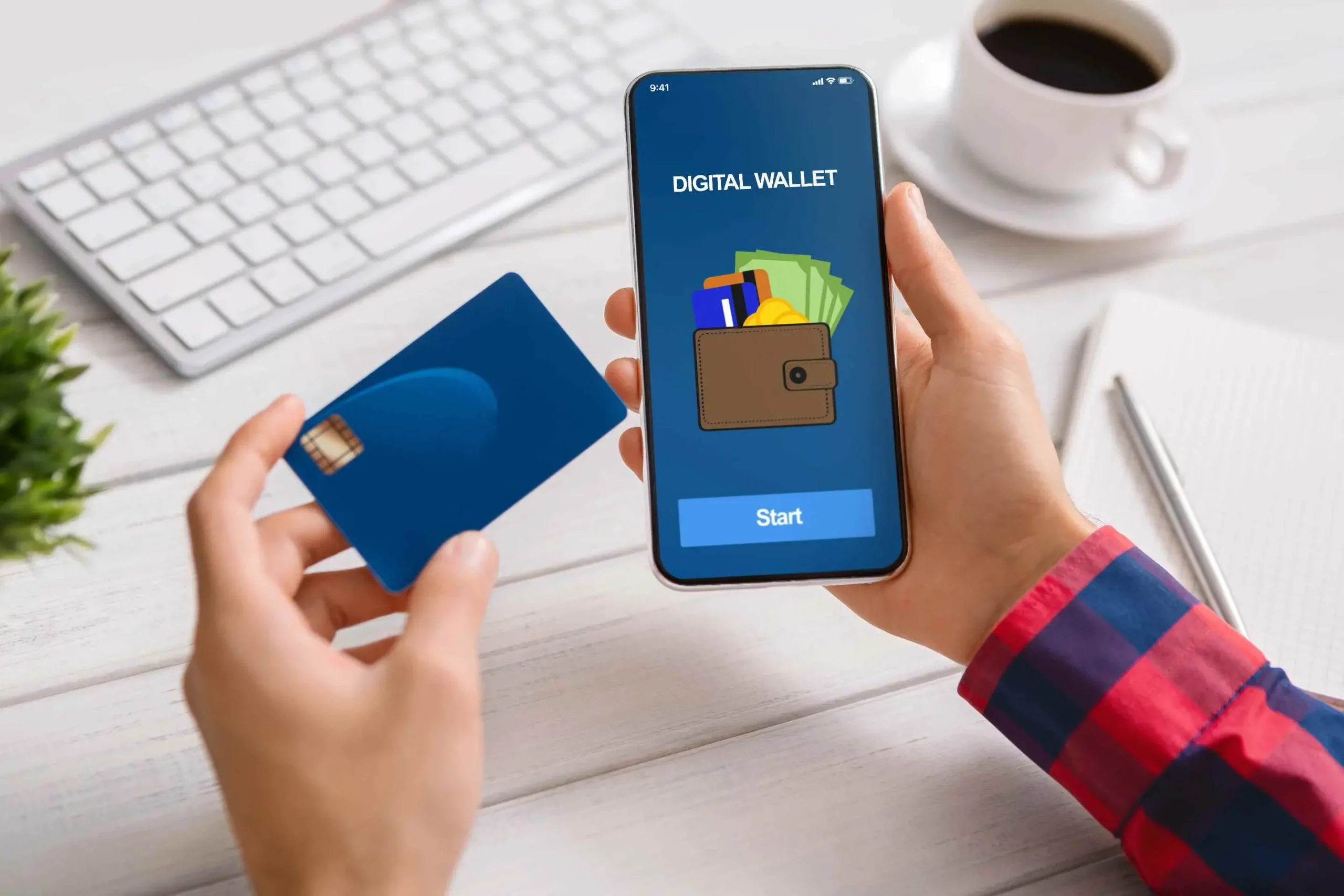
Digital payments are changing quickly and develop the way people and businesses manage money. New technologies and markets are making transfers faster, safer and easier.
Introduction
The way we pay is changing faster than ever. From instant money operations to smart payment platforms, 2026 is set to redefine digital commerce entirely. Read on and learn more!
The Future of Payments in 2026
Digital transfers will be the most common way to do business around the world by 2026. New rules, faster innovation and easier access are changing the way people, small merchants and business startups handle money around the world.
Key drivers reshaping the money landscape
Changes in banking interfaces are being driven by improvements in mobile technology, instantaneous POS solutions and digital identity. People are adopting fintech faster because they trust it more, have more access to the internet, and their habits are changing.
Digital payment growth and global accessibility
India with its Unified Payments Interface (UPI) and IMPS integration is at the forefront of the digital payment revolution. Global markets are following suit, quickly expanding contactless and mobile products and services:
| Country | Digital Payment Penetration (2024 – 2025) | Annual Growth Rate |
| India | 86% | 14% |
| China | 78% | 8% |
| United States | 72% | 6% |
| Brazil | 65% | 9% |
| United Kingdom | 69% | 5% |
These numbers show how far government of India has come and how it can be a model for payment opportunities that are easy to use, open to everyone and can grow.
Impact of innovation on the economy
New ideas in payments help small businesses. They increase consumer spending and make it easier for everyone to get access to money. As cash use goes down, faster digital money operations create chances for economic growth and financial stability.
Real-Time and Instant Operations
Digital payments are raising the bar for speed and effectiveness. They make it possible to send money right away to make global financial systems more liquid and trustworthy.
How instant payments are transforming businesses
Immediate cross-border payments accelerate cash flow and cut down on processing delays. It makes business run more smoothly. Companies benefit from faster settlements, better cash management and happier customers.
Benefits of instant payments for consumers and merchants
Both sides of a transaction benefit greatly from agile payments:
- Money moves right away, making things easier.
- Fewer middlemen means lower transfer fees.
- Encrypted networks keep users and merchants safe.
These benefits work together to help businesses and customers.
Adoption and penetration across industries
The immediate payment service is becoming more popular in industries like e-commerce, retail, and gig platforms. The progress of National Payments Corporation of India (NPCI) and Reserve Bank of India (RBI) makes the adoption easier.
Blockchain and Digital Currencies
Digital currencies and innovations make things more open, speed up settlements and give people more control over their money. It leads to safer and more efficient payment environment.
Role of blockchain in secure transactional solutions
Blockchain makes it possible to have money records and avoid unauthorized changes and binding to one location. Its distributed ledger makes things more open.
Central Bank Digital Currencies (CBDCs) and virtual account models
CBDCs are a digital alternative to cash. Digital account models are important tools for modernizing national and cross-border payment services marketplace. They allow for instant settlements, programmable payments and cost savings while making sure that all rules are followed.
Future opportunities for digital economies
Digital currencies create new chances for economies around the world:
- Makes it easier for people to use reserve banks and payment platforms.
- Simplifies business across borders.
- Lets you set up smart contracts and micropayments that run on their own.
These new ideas make the digital financial ecosystem more open, accessible and able to grow in a way that lasts.
APIs and Open Transactional Systems
APIs are changing the way operations work by linking banks, fintechs, and marketplaces. They make it possible for digital ecosystems to work together smoothly, share data in real time, and come up with new ways to handle money.
How APIs connect financial institutions with payment options
API connects banks and other money institutions to digital platforms. They make it easier to share data, make it safer, and let people pay right away. This connectivity speeds up new ideas, facilitates customer experiences, and makes it easier for different global payment sectors to work together.
Virtual account integration for seamless operations
Virtual accounts make it easier to track and automate payments by using API-based connections. These are the steps that integration usually follows:
- Setting up APIs by making sure that communication is safe.
- Credentials validation and permissions.
- Connecting accounts to money systems.
- Testing and confirming settlements and security.
- Deployment with active live payment processing.
This process ensures smooth, transparent and scalable financial workflows.
APIs driving innovation in the payments landscape
APIs make it possible to develop products faster, offer personalized payment experiences and automate compliance. These comprehensive solutions promote financial inclusion and make transactions more efficient, clear and flexible by supporting open banking and digital wallets.
Emerging Payment Solutions in 2026
New transactional solutions are changing the way bank-to-bank payments work. New technologies are making money operations around the world faster, safer and easier, changing the way people and businesses do business.
Evolution of digital wallets and mobile payment
Digital wallets and payments using a smartphone are growing quickly. They combine banking, loyalty programs and peer-to-peer settlements to make things easier, allow contactless settlements and improve the user experience. This helps them become more popular in both urban and rural areas.
AI and automation in payment processing
AI and automation make payment processing easier by finding fraud, predicting transaction patterns and making settlements more efficient. They cut down on the need for manual work, lower the number of mistakes, and make things run more smoothly.
New collaborative payment models and smart contracts
Smart contracts and payment modes make it possible to settle agreements in real time and automatically carry them out. These systems cut down on middlemen, make things more clear and allow for safe and quick financial operations in many fields.
The Payments Landscape and the Global Economy
Digital operations are becoming a major force behind the growth of the world financial landscape. They help both developed and emerging markets become more efficient, give more people access to money and encourage new ideas.
How payments influence economic growth
Efficient banking platforms encourage trade, draw in investors and lower the costs of doing business. Digital settlements boost consumer trust and business productivity. This leads to long-term growth in all areas and industries.
Digital payment penetration in developing markets
Affordable smartphones with NFC and new fintech ideas make it easier for people to access digital payments across India. It gives small businesses more power and allows safe, low-cost operations in areas that used to be all cash.
The role of financial institutions in future
Banks and other financial unions work with fintechs, put money into secure infrastructure and create open protocols. It guarantees that the global financial system of the future is interoperable, trustworthy, and innovative.
Challenges and Opportunities in the Future of Payments
New problems come up as operations get faster and smarter. Businesses will be able to adapt to the changing financial landscape better or worse depending on how ready they are for security, regulation, and technology.
Security risks in instant and real-time payments
Modern payments are fast, but they make you more vulnerable to cyber threats. Certain main risks are:
- Users and merchants are being targeted by fraud and phishing attacks.
- Data breaches caused by weak end-to-end encryption or bad access control.
- Mistakes in operations because of system weaknesses.
To make sure that transactions are safe and reliable, companies must work on the effective risk management.
Regulatory impact on digital payment systems
Changes in global rules affect data analytics, transaction transparency and compliance across borders. Standardized frameworks help new ideas grow while keeping the digital investment banking ecosystem safe for consumers and stable for businesses.
How businesses can prepare for 2026 transactional solutions
Companies should spend money on secure digital infrastructure, use open protocols and work with fintechs. Numerous use cases show that getting ready early helps make sure that your business can grow, follow the rules and be ready for new payment technologies.
Frequently Asked Questions
What are the top trends shaping the future of payments?
AI, blockchain, tokenisation and open banking are making global money platforms faster, safer and more connected.
How will real-time and instant payments affect the economy?
They make money more available, cut down on delays, and help more people access to financial services.
What role will blockchain and APIs play in transactional solutions?
Blockchain makes sure that transactions are safe and protocols make it easy for financial platforms to connect, innovate and automate.
What is a virtual account, and how does it change processing?
By linking settlements directly to certain users or purposes, such an account makes reconciliation easier, automates transactions and makes things more open.