

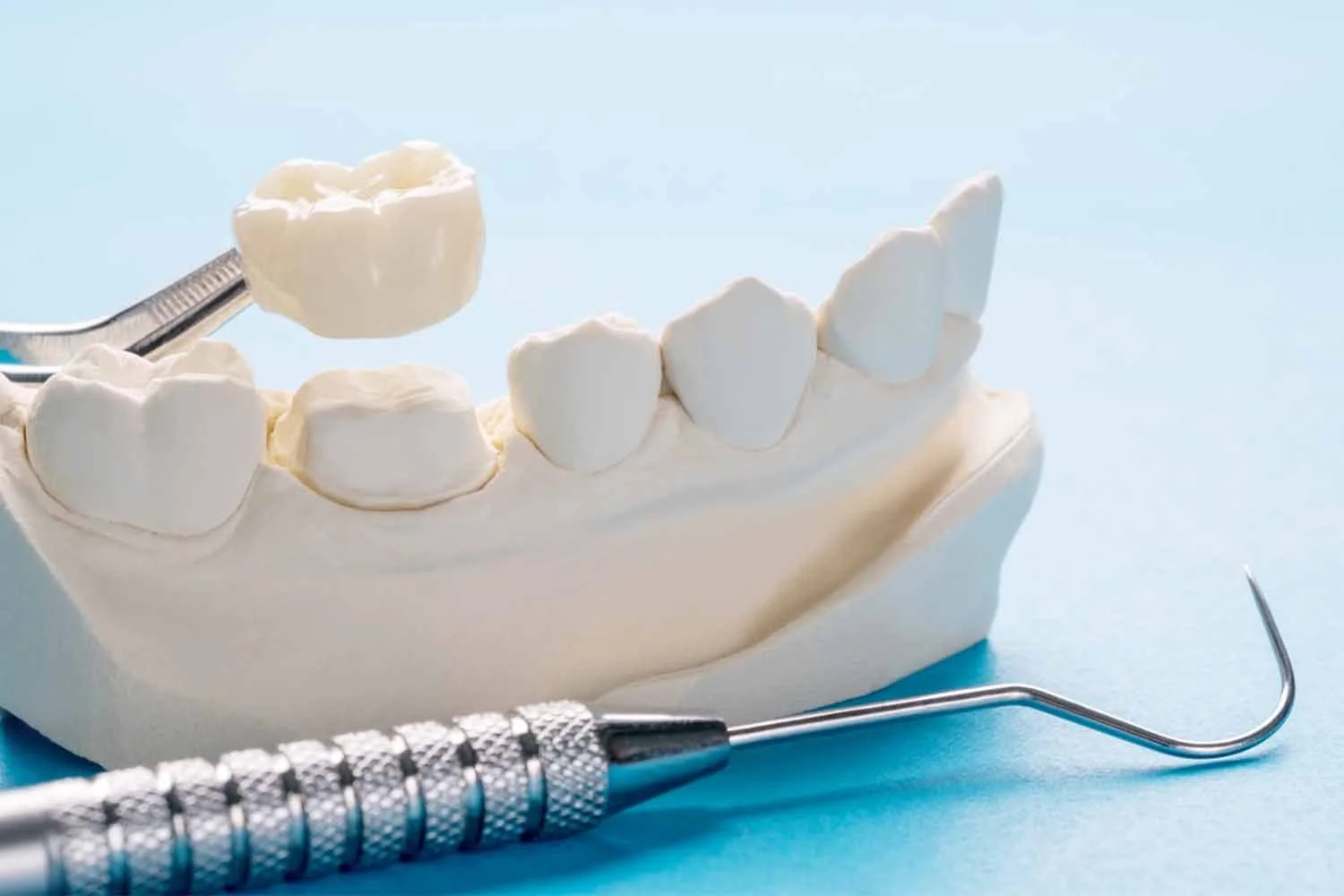
Long term oral health depends on what you do after you lose a tooth. Missing teeth are not only a cosmetic problem. They change how you chew, speak, and even how your jaw bone holds its shape. Over time, nearby teeth shift, your bite collapses, and pain grows. Prosthetic solutions stop this slow damage. You replace what is gone so your mouth can work as one system again. Options like crowns, bridges, implants, and dentures in Roanoke help you eat, talk, and smile with less strain. They also protect the bone in your jaw and help keep your face shape steady. When you act early, you avoid more extractions, more cost, and more stress. This guide explains why replacing missing teeth is not extra care. It is basic maintenance that protects your health, your confidence, and your daily peace.
Why missing teeth harm your whole mouth
Tooth loss starts a chain reaction in your mouth. One gap affects every bite you take. It also changes how your jaw and muscles work together.
Here is what often happens when a tooth is not replaced:
- Teeth next to the gap lean or move.
- Teeth above or below the gap grow out of place.
- Food traps form and raise your risk of decay and gum disease.
- Your bite shifts and can strain your jaw joints.
- The bone under the missing tooth slowly shrinks.
The National Institute of Dental and Craniofacial Research explains that tooth loss and gum disease often go together and can affect chewing, speech, and social life.
When you replace the missing tooth, you interrupt this chain. You give nearby teeth support. You help your jaw carry force in a safer way. You keep daily tasks like eating and speaking steady.
Common prosthetic options and how they help
Prosthetic solutions are tools that stand in for missing teeth. Each option has strengths. The right choice depends on your mouth, your health, and your budget.
Comparison of common tooth replacement options
| Option | What it replaces | Fixed or removable | Helps protect jaw bone | Typical care needs
|
|---|---|---|---|---|
| Crown | One damaged tooth above the gum | Fixed | No. Root must still be present | Brush and floss like a natural tooth |
| Bridge | One or more missing teeth in a row | Fixed | Some. Still does not replace lost roots | Brush and clean under bridge daily |
| Full denture | All teeth in an upper or lower jaw | Removable | Limited. Bone can still shrink over time | Daily cleaning and periodic relines |
| Partial denture | Several missing teeth with some natural teeth left | Removable | Limited. Clips to remaining teeth | Daily cleaning and careful fit checks |
| Dental implant | Roots and crowns for one or more teeth | Fixed | Yes. Stimulates bone like a natural root | Brush, floss, and regular checkups |
Each of these choices can restore your bite. Each one can ease strain on your jaw. The best option is the one you can keep clean and use with comfort every day.
How prosthetic solutions protect your health
Replacing missing teeth is not just about your smile. It affects your body and your mind. Tooth loss can lead to soft food, fewer fresh fruits and vegetables, and less protein. Over time this can affect blood sugar, body weight, and energy.
The Centers for Disease Control and Prevention describe how poor oral health links with chronic conditions like diabetes and heart disease.
When you use a well fitting prosthetic solution you can:
- Chew more foods and get better nutrition.
- Speak more clearly at work, school, and home.
- Reduce strain on your jaw joints and head muscles.
- Lower the risk of more tooth loss from uneven forces.
There is also an emotional effect. Missing teeth can cause shame and silence. Many people stop smiling. Some avoid photos and social events. A stable replacement gives you permission to show your face again. That change can ease stress and support your mental health.
Choosing the right option for you and your family
Every mouth is different. What works for a grandparent may not fit a teen or a new parent. Still you can use three clear steps to make a strong choice.
- Know your goals. Decide what matters most right now. Comfort. Cost. Cleaning time. Eating certain foods. Write these goals down.
- Ask clear questions. During your visit ask how long each option usually lasts. Ask how it is cleaned. Ask what can go wrong and how often that happens.
- Plan for change. Your mouth will change with age, health, and habits. Build in time for checks, repairs, or upgrades.
For children and teens, early care for damaged or missing teeth can protect speech and jaw growth. For adults, steady replacement can protect job performance and social life. For older adults, secure teeth can prevent choking risk and help support safe swallowing.
Caring for prosthetic teeth for the long term
Prosthetic teeth need daily care. They do not decay like natural teeth. Yet the gums and bone around them still face risk. Bacteria and plaque can still cause infections.
Use three daily habits.
- Clean every surface. Brush natural teeth and prosthetic teeth. Clean under bridges and around implants.
- Rinse after meals. Clear food and debris from dentures and partials.
- Check your mouth. Look for red spots, sores, or changes in fit. Report pain or rubbing right away.
Regular checkups matter. They let your provider adjust the fit, check screws or clips, and clean hard to reach spots. They also give you a chance to ask about new options as your needs change.
Taking the next step
Tooth loss does not have to control your health. You can stop the chain reaction. You can protect your bite, your speech, and your confidence.
Start with one action.
- Schedule a dental exam.
- Write down your questions and goals.
- Ask for a clear plan to replace missing or failing teeth.
Your mouth is part of your body. When you choose strong prosthetic solutions and care for them day by day you guard your long term oral health and your daily comfort.