

In an age where digestive discomfort, poor posture, and mental fatigue have become common, simple daily practices can create meaningful change. This is why many practitioners now turn to Online Yoga as a practical solution—especially for foundational postures like Vajrasana that fit seamlessly into modern routines without requiring flexibility or advanced training.
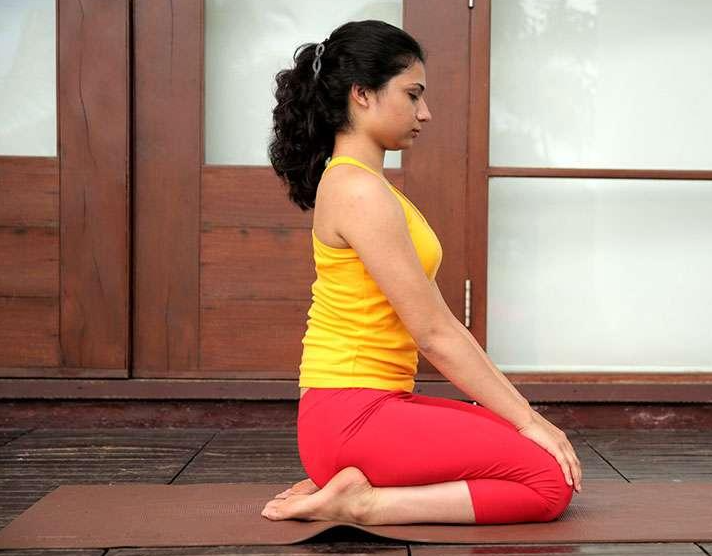
Vajrasana, also known as Diamond Pose or Thunderbolt Pose, is a seated kneeling posture traditionally used for meditation and breathwork. Despite its simplicity, it delivers wide-ranging benefits when practiced consistently and with proper alignment.
What Is Vajrasana?
The term Vajrasana comes from the Sanskrit word vajra, meaning “diamond,” symbolizing stability and inner strength. Classical yoga texts describe this posture as grounding and strengthening—physically and mentally.
Unlike many dynamic asanas, Vajrasana emphasizes stillness. It encourages spinal alignment, controlled breathing, and sustained focus, which is why it has long been used as a base posture for meditation and pranayama.
Why Vajrasana Is Unique for Digestion
One of Vajrasana’s most distinguishing features is its relationship with digestion.
Post-meal suitability:
Vajrasana is one of the few yoga postures that can be safely practiced after eating. Sitting upright on the heels helps support gastric function and may reduce bloating, heaviness, and acid reflux.
Physiological support:
The posture gently redirects blood flow toward the abdominal organs while minimizing movement in the lower body—supporting the body’s natural digestive rhythm.
Mind–body balance:
From a yogic perspective, Vajrasana is associated with balanced activation of the solar plexus and sacral regions, often linked to digestion, emotional regulation, and metabolic stability.
How to Do Vajrasana: Step-by-Step Guide
- Kneel on a yoga mat with knees together or slightly apart.
- Separate your feet gently and sit back so your hips rest on your heels.
- Keep the spine upright, shoulders relaxed, and chest open.
- Place your hands softly on your thighs, palms facing up or down.
- Align the head with the spine, chin parallel to the floor.
- Breathe slowly and deeply through the nose.
- Start with 2–3 minutes and gradually extend to 10–20 minutes.
- To release, lift the hips slightly and stretch the legs forward.
Tip: Use a folded blanket or cushion between calves and thighs if you experience knee or ankle discomfort.
Common Vajrasana Mistakes to Avoid
Even though Vajrasana is beginner-friendly, alignment matters.
- Slouching the spine instead of sitting tall
- Forcing the toes together, causing foot strain
- Holding the breath due to over-concentration
- Staying too long despite numbness or sharp pain
- Practicing on hard surfaces without knee support
Correcting these small errors significantly improves comfort and long-term benefits.
10 Key Benefits of Vajrasana
- Supports healthy digestion and bowel movement
- Improves posture and spinal alignment
- Reduces lower back stiffness with regular practice
- Enhances circulation, especially in the lower body
- Relieves joint stiffness in hips, knees, and ankles
- Supports metabolic balance and blood sugar regulation
- Strengthens pelvic floor awareness
- Calms the nervous system and reduces stress
- Aids weight management through improved metabolism
- Helps ease menstrual discomfort in women
When to Practice Vajrasana for Best Results
| Goal | Best Time | Duration |
| Improve digestion | After meals | 5–10 min |
| Increase focus | Morning (empty stomach) | 10–20 min |
| Reduce stress | Evening | 15–30 min |
| Improve sleep | 1–2 hrs before bed | 20 min |
| Metabolic balance | After lunch/dinner | 10–15 min |
Important: Vajrasana is flexible in timing, but avoids it during severe knee pain, post-surgery recovery, or acute abdominal distress.
Expert-Guided Practice Matters
While Vajrasana appears simple, correct alignment, breath awareness, and gradual progression determine its effectiveness. Structured programs—such as those designed by FlexifyMe often integrate physiotherapy principles with traditional yoga to ensure the posture supports joint health, digestion, and long-term consistency rather than causing strain.
Vajrasana Variations for Comfort & Mobility
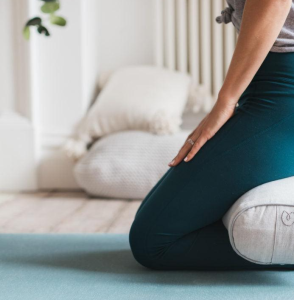
- Supported Vajrasana: Cushion between calves and thighs for knee comfort
- Forward Bend: Releases lower back tension
- Back Bend: Opens the chest and improves spinal mobility
- Toe Squat Variation: Enhances foot and ankle flexibility
Each variation allows the practice to adapt to individual needs without compromising safety.
Why Vajrasana Deserves a Place in Your Daily Routine
Before concluding, it’s worth emphasizing that Vajrasana is not about intensity it’s about consistency. When practiced mindfully, even a few minutes a day can support digestion, posture, and mental calm without disrupting your lifestyle.
Final Thoughts
Vajrasana stands as a reminder that effective wellness practices don’t need to be complex. This single, accessible posture offers physical stability, digestive support, and mental clarity—making it suitable for beginners and experienced practitioners alike. With mindful practice and proper guidance, Vajrasana can become a quiet yet powerful anchor in your daily routine.