

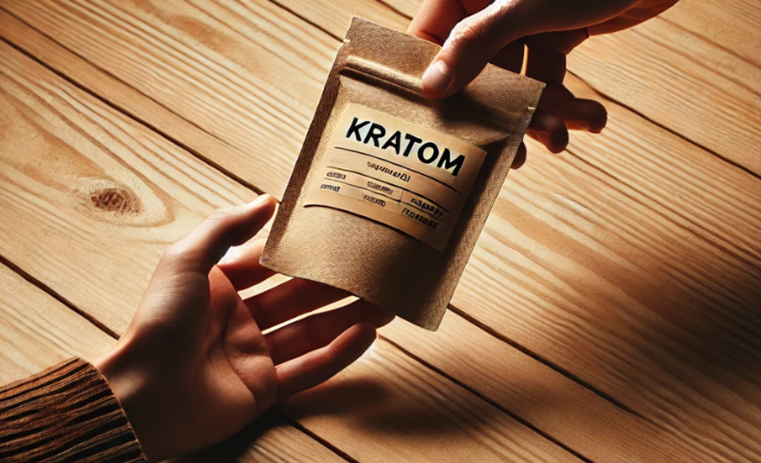
If you’ve bought kratom locally before, you’ve probably noticed the landscape is shifting. In just a few years, kratom’s presence has exploded into head shops, wellness stores, and even gas stations stocking it. But as the market grows, so does confusion.
What’s legal in one place is banned in another. Some vendors promote flashy packaging without third-party lab results. And regulations in 2025 look different than they did even a year ago. This guide breaks down what’s changed, what to avoid, and how to shop smart.
Why Buying Locally Is Still Popular
Even with the rise of online kratom retailers, many users prefer shopping in person. Local shops offer convenience, no shipping delays, and face-to-face interactions with staff.
If you’ve ever searched “kratom near me,” you’re not alone—plenty of people rely on local options for quick and easy access.
Here’s why people still buy kratom near home:
- Instant access: No need to wait for delivery
- Cash payments: Useful for those avoiding online transactions
- Product variety: Some stores carry multiple brands and strains
- Browsing freedom: No account or subscription needed
- Support small businesses: Keeps money in your local economy
In many cities, herbal apothecaries and supplement stores now carry kratom alongside adaptogens, mushrooms, and CBD. But that doesn’t mean everything on the shelf is trustworthy—or even legal.
Where to Buy Kratom Near You in 2025
If you’re new to local kratom shopping—or just want to upgrade your sources—here are the most common places it’s sold:
1. Smoke Shops and Head Shops
Most smoke shops now carry kratom capsules, powders, and shots. Selection can range from single-strain bags to brand-name blends.
What to check:
- Look for third-party lab results on packaging.
- Ask the staff if the product is AKA GMP-certified.
- Avoid shops that only sell flashy kratom shots or unlabeled powder jars.
2. Herbal Apothecaries and Wellness Stores
These shops often curate higher-quality kratom from vetted suppliers. Staff may be more informed about strains and safety.
What to check:
- Look for transparency in sourcing and strain types.
- Ask if the vendor lab-tests for heavy metals and contaminants.
- Check for expiration dates and harvest info.
3. CBD Stores and Supplement Retailers
Many wellness stores that started with CBD have added kratom to their lineup.
What to check:
- See if kratom is treated with the same quality control as their CBD line.
- Confirm that products are clearly labeled and batch-tested.
4. Gas Stations and Convenience Stores
Yes, kratom is showing up at more gas stations. But the convenience comes with trade-offs.
What to watch out for:
- Overpriced, under-tested products
- Misleading dosage info
- Kratom shots and extracts with unknown ingredients
It’s best to avoid these unless there’s clear labeling and third-party testing info.
What to Look for in a Quality Product
Before buying from a local shop, look for these signs of quality:
Third-Party Lab Testing
Always check for certificates of analysis (COAs). These should confirm:
- Alkaloid content (especially mitragynine)
- Absence of heavy metals
- No microbial contamination (salmonella, mold, etc.)
GMP Certification
Vendors who comply with the American Kratom Association’s GMP Standards must follow strict processing and labeling rules. Their names are listed on the AKA site.
Clear Strain Info
Each product should specify:
- The strain (e.g., Green Malay, Red Bali)
- The form (powder, capsule, extract)
- Batch or lot number
Avoid anything labeled vaguely like “kratom blend” or “energy booster” without further details.
No Health Claims
Legitimate vendors won’t make medical claims like “relieves pain,” “cures anxiety,” or “treats depression.” These claims are illegal and untrustworthy.
Common Red Flags in Local Shops
Even well-stocked stores can sell products that raise concerns. Here are a few signs to proceed with caution:
- No lab results available
- Products labeled with extreme effects like “super sedative” or “extra strong”
- No clear vendor contact information
- Cash-only transactions with no receipts
- Dusty or expired stock on shelves
- Employees unfamiliar with kratom basics
When in doubt, walk away. There are better options elsewhere.
Tips for First-Time Local Buyers
If you’re walking into a shop for the first time and don’t know what to ask, use these simple tips:
- Ask to see lab results for any product.
- Start with a green or red strain—they’re typically smoother than white.
- Buy the smallest size available (1–2 oz) until you find a brand you like.
- Avoid kratom shots or highly concentrated extracts as a beginner.
- Keep your receipt in case the product is defective or mislabeled.
You don’t need to know everything to shop smart—you just need to know what to look for.
Final Thoughts: Stay Smart, Stay Safe
The local market has grown, but so have the risks. Some stores carry quality products with great transparency. Others rely on slick packaging and high margins without safety standards. Kratom is a powerful plant. When sourced and used responsibly, it can fit into a variety of wellness routines. But your experience is only as good as the product you choose. So shop smart, support ethical vendors, and stay up to date as laws and standards evolve.