

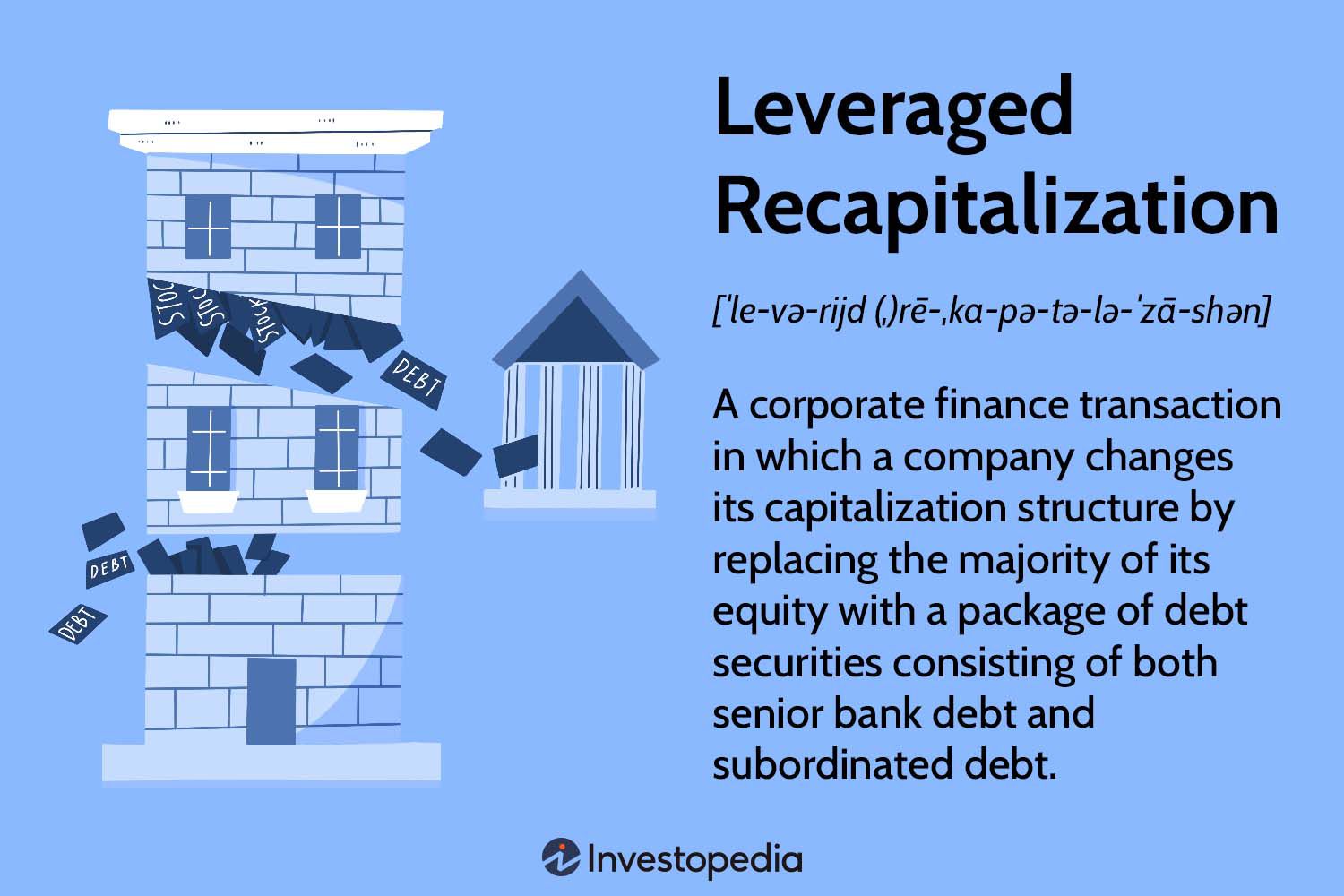
Recapitalization can reshape a company’s future—and shareholders’ fortunes along with it. This financial restructuring adjusts the balance of debt and equity, potentially boosting stock value, stability, and tax efficiency. But does it always benefit shareholders? In this article, we’ll explore the ripple effects of recapitalization on earnings, control, and returns, guiding you through the real impact it has on shareholder value. Investors must surely stay connected with educational resources like Quantum Hancock to stay updated and educated about the investing market.
1. Financial Impacts of Recapitalization on Shareholder Value
Recapitalization can be a powerful financial pivot, changing a company’s debt and equity balance to optimize financial stability and growth. But how does this process affect shareholders directly?
When a firm restructures, shareholders may experience shifts in earnings per share (EPS), stock prices, and even dividend payouts. These elements together shape the value shareholders derive from their investments.
1.1 Examining Changes to Earnings Per Share (EPS), Stock Price Fluctuations, and Dividend Policies
When a company’s capital structure changes, earnings per share can be the first place shareholders notice an impact. For instance, if a company takes on debt to buy back shares, EPS can initially rise.
This is because the same earnings are now divided among fewer shares, giving each share a bigger slice of the earnings pie. However, this boost to EPS can also add volatility to stock prices, especially if the debt increases financial risk.
Shareholders also feel the impact of recapitalization through stock price shifts. If the market sees recapitalization as a sound move, stock prices might go up as investors gain confidence in the company’s strategy.
On the other hand, if debt levels climb too high, stock prices could suffer as investors worry about potential financial instability.
Dividends can also change, especially if the recapitalization adjusts cash flow. Increased debt may restrict cash available for dividends, while a boost in equity may free up more funds for payouts. As always, investors should keep an eye on dividend policies to gauge how much value recapitalization brings to their investment.
1.2 Discussion of Risk-Reduction Versus Growth-Enhancement Effects on Long-Term Shareholder Value
Recapitalization often walks a fine line between risk and growth. Reducing debt can make a company less risky, potentially increasing its resilience in market downturns. This stability can create long-term value for shareholders looking to minimize risk. Think of it like adding an airbag to a car—fewer bumps and safer journeys.
On the flip side, adding debt can help the company fund new projects, which can lead to growth and higher returns.
Yet, too much debt acts like turning the gas up too high—it may speed up growth, but the company could struggle to keep pace with repayments. For long-term investors, balancing these factors is crucial as recapitalization impacts both the potential for growth and the company’s ability to handle downturns.
2. Tax Advantages and Cost Savings: A Boost for Long-Term Shareholder Returns?
Recapitalization is more than just shifting funds; it can also be a savvy tax move. By taking on debt, companies can leverage tax-deductible interest, lowering overall taxable income. For shareholders, this tax efficiency can mean greater retained earnings and a boost to long-term returns. Here’s how the process works and what it can mean for shareholder value.
2.1 Analysis of How Debt Financing Offers Tax Benefits Through Interest Deductions
When a company issues debt, interest payments can often be deducted from taxable income, a benefit that equity financing can’t provide. Consider it a clever “tax shield” that can save the company money—savings that can ultimately bolster shareholder returns. For example, if a company takes on $1 million in debt, the interest payments may lower its tax burden, allowing it to retain more of its earnings.
These tax savings can lead to increased profitability and cash flow, which may support the company’s reinvestment in growth or even dividends. However, the strategy can backfire if the debt load is too high, leading to risks that might offset any tax savings. A fine balance in debt levels ensures the tax benefit doesn’t come at the cost of stability.
2.2 Implications of Tax Savings on Overall Shareholder Returns and Cash Flow
With the extra cash flow from tax savings, a company can reinvest or return funds to shareholders in the form of dividends or stock buybacks. Imagine it as creating a small pool of funds specifically for rewarding shareholders or fueling growth. This pool can improve shareholder value as it frees up funds that would otherwise go to taxes.
In addition, a company with higher cash flow is often seen as more financially sound. This can bolster its stock price, enhancing long-term shareholder returns. Yet, the implications of these savings can be tricky if debt payments strain cash flow too heavily. Shareholders should look at how these savings are managed to assess the true value they bring to the table.
3. Dilution and Control: Equity Holders’ Stake in the Recapitalization Process
Recapitalization doesn’t just adjust finances; it often shifts control dynamics within the company. When companies issue new shares or take on debt, it directly affects existing shareholders’ influence and ownership.
3.1 How Issuing New Equity or Debt Can Affect Existing Shareholders’ Control and Ownership Percentage?
When new shares are issued in recapitalization, it’s like slicing a pie into more pieces—each shareholder’s slice of ownership gets smaller. This dilution can reduce a shareholder’s voting power and influence over major decisions. While some shareholders accept this for the company’s growth, others might worry about losing their voice.
Debt recapitalization can have the opposite effect by concentrating control. As the company takes on debt rather than new equity, existing shareholders often maintain their ownership stake. However, the debt may give creditors some say over the company’s direction, especially if financial performance falters. Shareholders should consider whether they’d rather hold onto control or share it in the name of stability and growth.
3.2 Strategies Companies Use to Prevent or Manage Shareholder Dilution
To address shareholder concerns over dilution, companies often explore creative strategies. For instance, some may offer existing shareholders the option to purchase additional shares at a set price before releasing new shares to the market. This way, current investors can protect their ownership by buying in at a discounted rate.
Other strategies include restricting the voting rights of new shares or even utilizing debt rather than equity for capital needs. These moves are like adding guardrails to keep shareholders’ interests intact. However, each approach comes with trade-offs, so shareholders need to assess whether these strategies truly protect their value or if the changes outweigh the benefits.
Conclusion
Recapitalization is a strategic move with a big impact. It can stabilize a company, reduce risk, and unlock value for shareholders. Yet, the balance between debt and equity needs careful handling to prevent risks like dilution or cash flow strain. For shareholders, understanding recapitalization’s effects can be key to making the most of their investments and staying one step ahead.