

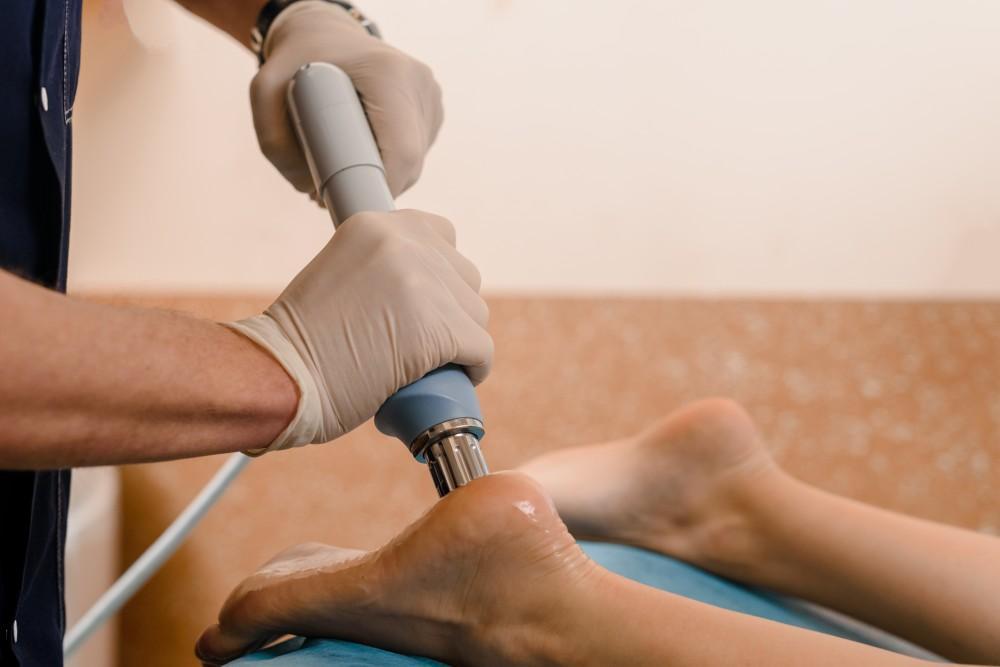
You have sustained an injury. Yet, the pain is causing discomfort. Looking for pain management brought you to its best alternative solution – shockwave treatment therapy.
What does this alternative therapy mean?
Shockwave treatment therapy is a non-invasive procedure to treat:
- chronic pain
- musculoskeletal conditions
It delivers acoustic sound waves to injured tissues to:
- stimulate healing
- improve blood circulation
- reduce inflammation
Shockwave therapy was originally developed to break down kidney stones. The technology is now widely used in physical therapy and rehabilitation clinics.
The treatment is recommended for people dealing with:
- long-term tendon
- muscle
- joint pain
These conditions were not improved with medication and rest managed by the therapy.
The therapy is simple and fast. It does not require surgery or downtime.
Shockwave therapy
The shockwave therapy uses high-energy sound waves to specific areas of the body. The sound waves it releases create microtrauma in the affected tissue. It stimulates the natural healing response. The results of the therapy are:
- blood flow increases
- collagen production improves
- damaged tissue begins to repair itself
The therapy breaks down calcified tissue. It reduces nerve sensitivity in painful areas. The patients experience:
- gradual pain relief
- better mobility
The goal is long-term tissue repair.
The shockwave therapy activates the natural healing mechanisms of the body. It does not mask the symptoms.
Conditions commonly treated
Shockwave therapy is used in physical therapy clinics to manage chronic pain conditions. It helps with tendon and ligament problems.
For example:
A plantar fasciitis patient benefits from shockwave therapy. The sound waves are targeting the inflamed tissue in the foot. It helps to reduce pain and improve walking comfort after several sessions.
Other commonly treated conditions include:
-
- Achilles tendinitis
- Hip pain related to soft tissue injury
-
- Shoulder tendinopathy
- Tennis elbow
- Patellar tendinitis
Shockwave therapy is suggested when traditional therapies do not work. The traditional therapies used are:
- rest
- stretching
- anti-inflammatory medication
The shockwave therapy can treat chronic musculoskeletal conditions. It is a musculoskeletal condition that involves damaged or inflamed soft tissues.
Benefits of shockwave therapy
Shockwave therapy is non-surgical. It does not involve the following:
- no incisions
- no anesthesia
- minimal recovery time
The therapy sessions can last for up to 15-20 minutes. The patients can return to normal activities after.
For example:
The shockwave therapy is chosen by an athlete with a chronic tennis elbow. These are athletes who want to avoid surgery. Pain decreases after a few weeks of treatment for a gradual return to training.
Additional benefits include:
- Reduced inflammation
- Faster tissue repair
- Improved mobility
- Lower reliance on pain medication
Shockwave therapy offers a practical option when seeking faster recovery without invasive procedures.
What to expect during treatment?
A therapist applies a gel to the treatment area to transmit the sound waves. A handheld device is placed against the skin for controlled pulses.
The treatment plans involve three to six sessions, one week apart. Some patients notice improvement after the first session. The others see gradual progress over several weeks as tissue healing continues.
The shockwave therapy procedure is quick. It supports gradual healing rather than instant relief.
FAQs
Is shockwave therapy pain-free?
The patients describe the therapy with a sensation as mildly uncomfortable. Yet, it is manageable. The intensity is adjusted.
How many sessions are needed?
Three to six sessions are recommended based on:
- condition
- severity
How soon will the results be?
Some patients notice improvement within a few weeks. The others experience gradual relief.
Should the patients take rest for days after the treatment?
No need to rest for the day. Patients can return to their daily activities after the treatment.
The shockwave therapy targets long-term healing. It does not merely manage symptom control. The therapy is a practical and effective solution for individuals seeking a non-invasive recovery option.