

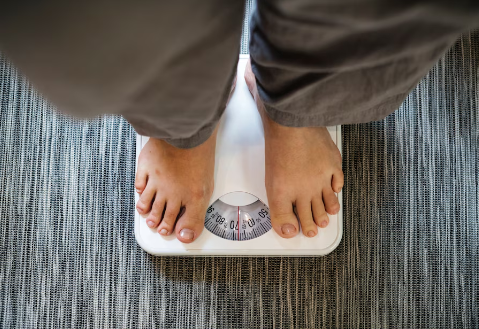
Gaining weight in a healthy and sustainable way can be just as challenging as losing it. Many individuals, whether due to high metabolism, medical conditions, or lifestyle choices, struggle to put on weight. The India weight management market size reached US$ 23.0 billion in 2023. Looking forward, IMARC Group expects the market to reach US$ 52.3 billion by 2032, exhibiting a growth rate (CAGR) of 9.3% during 2024-2032. The key to achieving your weight gain goals lies in creating a balanced meal plan that provides your body with the necessary nutrients while also being calorie-dense. This article will guide you through the process of developing a meal plan that promotes healthy weight gain.
Understanding Weight Gain
Before diving into meal planning, it’s essential to understand what weight gain means in a healthy context. Unlike rapid weight gain that often leads to fat accumulation and potential health issues, healthy weight gain involves an increase in muscle mass and overall body weight. This process requires a focus on nutrition, strength training, and consistent eating habits.
Key Principles of Healthy Weight Gain
- Caloric Surplus: To gain weight, you must consume more calories than your body burns.A surplus of 300-500 calories per day is generally recommended for gradual weight gain. Take amazon l-glutamine supplement in your diet along with all the calory maintenance.
- Nutrient-Dense Foods: Opt for foods that are high in calories but also provide essential nutrients. This includes whole grains, healthy fats, lean proteins, and plenty of fruits and vegetables. Consider incorporating makhana for weight gain, as it is calorie-dense and packed with protein and fiber.
- Frequent Meals: Eating more often can help you increase your calorie intake. Aim for three main meals and 2-3 snacks per day.
- Strength Training: Incorporating resistance training into your routine can help you gain muscle mass rather than just fat.
Steps to Create a Balanced Meal Plan
Step 1: Calculate Your Caloric Needs
To begin, you need to estimate your daily caloric needs based on your age, sex, weight, height, and activity level. Online calculators can help you determine your Total Daily Energy Expenditure (TDEE), which is the number of calories you burn daily. Once you have your TDEE, add 300-500 calories to create your caloric surplus for weight gain.
Step 2: Determine Your Macronutrient Ratios
A balanced meal plan should consist of carbohydrates, proteins, and fats. A general guideline for macronutrient distribution for weight gain is:
- Carbohydrates: 50-60%
- Proteins: 15-25%
- Fats: 25-35%
Macronutrient Sources:
- Carbohydrates: Whole grains (brown rice, quinoa, oats), starchy vegetables (potatoes, sweet potatoes), fruits, and legumes.
- Proteins: Lean meats (chicken, turkey, beef), fish, eggs, dairy products (milk, yogurt), and plant-based sources (tofu, beans, lentils).
- Fats: Nuts, seeds, avocados, olive oil, and fatty fish (salmon, mackerel).
Step 3: Plan Your Meals
Sample Meal Plan
Here’s a sample meal plan for a day, designed for a caloric intake of around 2,500 calories.
Breakfast
- Oatmeal made with whole milk topped with sliced bananas and a handful of walnuts.
- Scrambled eggs (2 whole eggs) cooked in olive oil.
- Greek yogurt (1 cup) with honey and berries.
Morning Snack
- Peanut butter smoothie: Blend 1 banana, 2 tablespoons of peanut butter, 1 cup of whole milk, and a scoop of protein powder.
Lunch
- Grilled chicken breast (6 oz) served with quinoa (1 cup) and steamed broccoli.
- Mixed greens salad with olive oil and balsamic vinegar.
Afternoon Snack
- Trail mix: A mix of nuts, seeds, and dried fruits.
- Cottage cheese (1 cup) with pineapple.
Dinner
- Salmon fillet (6 oz) with roasted sweet potatoes (1 cup) and asparagus.
- Whole grain bread (1 slice) with avocado spread.
Evening Snack
- Hummus (1/2 cup) with carrot and cucumber sticks.
- Protein bar for an extra boost.
Step 4: Stay Hydrated
Hydration plays a vital role in overall health and can influence your appetite. Drink plenty of fluids throughout the day, but try to avoid excessive amounts of water before meals to ensure you can consume adequate calories.
Step 5: Monitor Your Progress
Track your weight and adjust your caloric intake and meal plan as necessary. Aim for a gradual weight gain of 0.5 to 1 pound per week. If you are not gaining weight, consider increasing your caloric intake further.
Step 6: Consider Professional Guidance
If you find it challenging to create a meal plan on your own or have specific dietary needs, consider consulting a registered dietitian or nutritionist. They can provide personalized recommendations tailored to your goals and lifestyle.
Additional Tips for Successful Weight Gain
- Be Consistent: Stick to your meal plan and avoid skipping meals. Consistency is key to seeing results.
- Enjoy Your Food: Choose foods that you enjoy to make it easier to stick to your plan.
- Cook at Home: Preparing meals at home allows you to control ingredients and portion sizes, making it easier to meet your caloric goals.
- Incorporate Strength Training: Regular strength training can help you build muscle mass as you gain weight.
- Stay Positive: Weight gain can take time, so be patient and stay motivated.
Conclusion
Creating a balanced meal plan for natural weight gain involves understanding your caloric needs, selecting nutrient-dense foods, and maintaining a consistent eating routine. By following the steps outlined in this article, you can develop a meal plan that supports healthy weight gain while enjoying a variety of delicious foods. Remember to monitor your progress and make adjustments as needed, and consider seeking professional guidance if necessary. With dedication and the right approach, you can achieve your weight gain goals.