

Healthy teeth depend on healthy gums and strong support. When gums weaken or teeth go missing, eating hurts, speech changes, and confidence drops fast. Periodontics and implant dentistry repair this damage and protect you from more loss. You do not need to accept loose teeth, bleeding gums, or gaps as “normal aging.” You can stop the slide. A skilled periodontist in Webster, TX can remove infection, rebuild lost support, and replace missing teeth with secure implants that look and feel like your own. These treatments do more than patch problems. They restore strength, balance, and comfort to your mouth. This guide shares five clear ways these services protect your health, steady your bite, and help you trust your smile again.
1. You stop gum infection before it steals teeth
Gum disease starts quiet. Gums bleed when you brush. Breath smells bad. Teeth feel a bit loose. Then bone starts to shrink. Teeth lose support and may need to come out.
Periodontics targets this infection at the source. You get care that reaches deeper than a basic cleaning.
- Deep cleaning removes hardened plaque under the gumline.
- Root smoothing helps gums reattach to teeth.
- Targeted medicine in pockets cuts bacteria.
The Centers for Disease Control and Prevention explains that almost half of adults over 30 have some form of gum disease.
Early treatment stops pain and tooth loss. It also lowers strain on your heart and blood sugar control. Gums are not separate from the rest of your body. When you treat infection in your mouth, you support your whole health.
2. You replace missing teeth with strength, not guesswork
Missing teeth change everything. You chew on one side. Food choices shrink. Your jaw shifts. Your face can look sunken. Dental implants bring back strength and steady function.
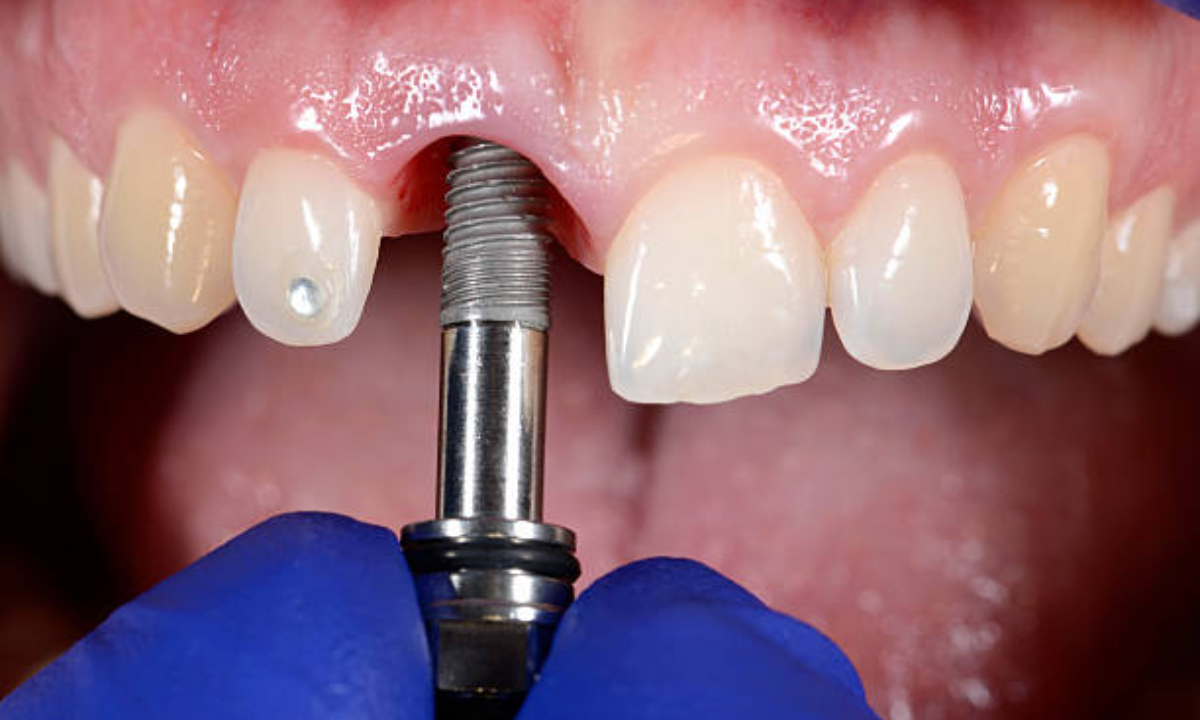
An implant is a small post that goes into the jaw. Bone grows around it. Then a crown, bridge, or denture attaches on top. The result feels firm and looks natural.
Here is a simple comparison of common tooth replacement choices.
| Option | Stability when chewing | Effect on nearby teeth | Helps preserve jawbone | Typical daily comfort |
|---|---|---|---|---|
| Dental implant with crown | High | No support needed from neighbors | Yes | High |
| Fixed bridge | Medium to high | Requires reshaping nearby teeth | No | Medium |
| Removable partial denture | Low to medium | Clips to nearby teeth | No | Low to medium |
| Removable full denture | Low | No effect on teeth | No | Low |
Implants give you strong support without grinding down healthy teeth. You get a steady bite and fewer food limits.
3. You protect and rebuild jawbone
When a tooth is lost, the bone that held it starts to shrink. The body sees no use for that bone and removes it. Over time this can change your bite and face shape. Dentures can slip more as bone melts away.
Implants change that story. The implant post sends natural chewing force into the bone. The jaw gets a clear message to stay. This helps keep the shape of your jaw and lowers the risk of more tooth loss.
Periodontists also use bone grafts when needed. Grafts add support where bone has already thinned. That support can make implants possible and protect nearby teeth.
The National Institute of Dental and Craniofacial Research shares plain language guides on tooth loss and bone changes.
4. You improve speech, chewing, and daily comfort
Teeth are tools. When they hurt or move, you change how you eat and talk. You might avoid crisp fruits, nuts, or meats. You might slur words or whistle when you speak.
Periodontic treatment and implants can change this in three clear ways.
- Gum treatment cuts swelling and pain so brushing and eating feel easier.
- Stable implants keep replacement teeth from sliding when you chew or talk.
- Balanced bite support spreads force so single teeth do not carry all the strain.
You gain control. Meals become less stressful. You can read to children or speak at work without fear of a denture clicking or a tooth loosening. That steady comfort often lowers daily stress and helps sleep.
5. You restore trust in your smile and prevent new problems
Oral health affects how you see yourself. Gaps, swollen gums, or loose dentures can lead to hiding your smile in photos and in person. That quiet shame drains energy.
When you heal gums and replace missing teeth, you change that story. You can smile, laugh, and eat in public without fear. This emotional relief is not cosmetic. It influences work, family life, and social ties.
At the same time, periodontics and implants help prevent new problems.
- Healthier gums trap less plaque and reduce new cavities.
- Even spacing between teeth makes brushing and flossing easier.
- Stable bite balance lowers the risk of cracks and jaw pain.
This is not only about repair. It is about building a mouth that stays steady over time with simple daily care and regular checkups.
How to move forward with confidence
If you see blood when you brush, notice loose teeth, or live with missing teeth, do not wait. Problems grow fast when support structures fail. Early action gives you more choices and often simpler treatment.
Here are three clear steps.
- Schedule a full gum and implant evaluation. Ask for measurements of gum pockets and bone levels.
- Discuss every option. Ask how each choice will affect chewing, bone, and long term care.
- Plan for maintenance. Set a schedule for cleanings and home care that fits your life.
You deserve a mouth that feels strong and calm. With skilled periodontic care and modern implants, you can protect your health, keep your teeth longer, and pass on better habits to your family. The first move is simple. Ask for help and refuse to accept pain or tooth loss as your new normal.