

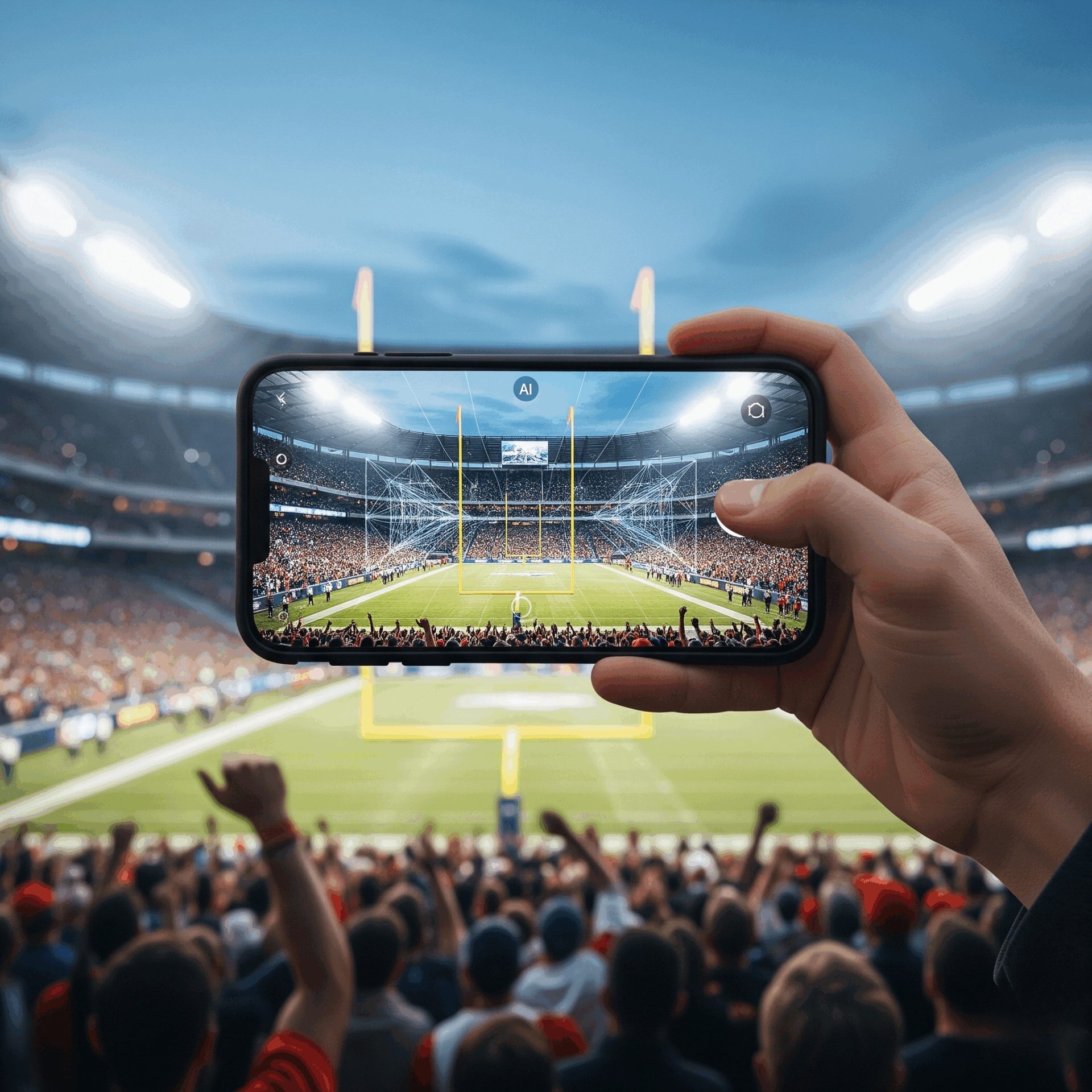
A service such as BetWave may present live information to audiences across several regions, but access depends on more than displaying the same numbers in different languages. Fans need explanations that respect local terminology, sporting knowledge and the pace of the event.
Multilingual communities often do this work informally through chats, captions and short videos. Their contribution helps new viewers follow rules, line-ups and tactical changes without losing the excitement of live play.
Language is part of the match experience
Commentary creates rhythm and identity. A familiar phrase can connect a viewer to family, city or childhood broadcasts. Translation should preserve that function rather than flatten every expression into generic language.
At the same time, essential facts must remain clear: player names, score, time, competition stage and official decisions. Style can vary, but the core information should not.
Translation needs context, not only words
Sports terms rarely have a perfect word-for-word equivalent. The translator must know whether a phrase describes a formal rule, a tactical idea or a joke. A literal version may sound strange or change the meaning.
Good practice includes:
- checking official terminology used by the competition;
- keeping player and team names consistent;
- explaining an unfamiliar term once before shortening it;
- distinguishing confirmed facts from commentary;
- noting when a quotation has been paraphrased;
- avoiding slang that becomes insulting in another region.
A small glossary prepared before the event saves time during live coverage.
Short formats can welcome new viewers
A thirty-second explanation, caption card or pinned message can answer the question preventing someone from enjoying the match. The aim is not to teach the entire sport at once. Explain what matters at that moment.
For example, a guide can show how much time remains, why play stopped or what a particular field setting means. Clear examples are more useful than a dense definition.
Community translators carry real responsibility
Volunteer accounts may become trusted sources. That trust requires care with injuries, disciplinary news and personal information. Do not translate rumours as confirmed updates simply because they are spreading quickly in another language.
Credit the original reporter or official source. If the source later corrects a detail, update the translated post as well.
Technology helps when humans remain involved
Automatic captions and translation tools can speed up routine work, but they struggle with names, crowd noise and sport-specific language. A human review is essential before publishing sensitive or tactical claims.
Useful tools can:
- create a rough transcript;
- suggest alternative phrases;
- maintain a shared terminology list;
- identify missing captions;
- generate time codes for review.
The editor remains responsible for meaning and tone.
Build a multilingual match guide
A compact guide can serve the audience throughout an event. Include competition format, expected line-ups, key rules, broadcast time in relevant zones and a short glossary. Keep the layout readable on a small phone.
During the match, update only information that changes. Afterward, add a result, one tactical summary and links to official highlights where available.
Respect regional voices and naming
A language may have several regional forms. Choose the version suited to the primary audience and avoid presenting one dialect as the only correct voice. Invite feedback from speakers who know the sport locally.
Names also matter. Follow the athlete’s preferred spelling and pronunciation when known. Do not shorten unfamiliar names merely for convenience.
Accessible language grows the audience
Multilingual coverage allows fans to enter a sport through the language in which they think, joke and share emotion. It can connect generations within a family and bring regional competitions to viewers who would otherwise miss the context.
Publishers can support community work by providing clean transcripts, pronunciation notes and reusable graphics without unnecessary text embedded in images. These resources reduce avoidable mistakes and allow translators to focus on meaning. A clear correction policy also matters: audiences should be able to see what changed and why, rather than finding a silent edit after they have already shared the original line.
Accessibility should extend beyond language choice. Captions need readable contrast, audio explanations should not depend on images alone and key information should be available in text. These practices help people with disabilities and also benefit viewers on slow connections, in noisy places or using older devices.
The best translation feels immediate without being careless. It carries accurate information, preserves the energy of the event and gives new viewers enough confidence to join the conversation. That combination makes live sport more open while respecting the communities that give it voice.