

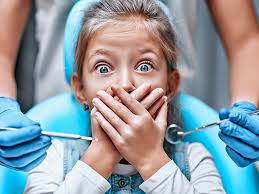
Dental visits can stir fear in kids. Your child might worry about pain, strange tools, or unfamiliar faces. That fear can grow fast and keep your child from getting needed care. A Locust Grove, VA family dentist understands this stress and plans each visit to ease it. You see it in the waiting room, the chair, and even the way the staff speak. Every step aims to give your child control, trust, and calm. You also need clear guidance, not confusing terms or pressure. You want to know what will happen, why it matters, and how to comfort your child before and after each visit. This blog explains five practical strategies that family dentists use to reduce dental anxiety in kids. You can use these same steps at home. Together, you and your child’s dentist can turn a feared visit into a steady, safe routine.
1. Use simple words and clear stories
Fear grows in silence. Your child fills gaps with scary ideas. Simple words cut through that fear fast.
Family dentists talk in short, clear sentences. They skip big terms. They use plain words for tools and steps. They explain what your child will see, hear, and feel.
You can match that at home.
- Say “tooth cleaner” instead of “instrument”
- Say “picture of your teeth” instead of “X-ray”
- Say “sleepy water” instead of “numbing shot” if the dentist agrees
Three simple steps help your child:
- Tell what will happen
- Show that it is safe
- Stay honest about small discomfort
Research from the National Institute of Dental and Craniofacial Research shows that clear talk and routine care lower the risk of tooth decay. Clear talk also lowers fear. Your child learns that the dental chair is a place for problem-solving, not surprise.
2. Give your child real choices
Lack of control feeds anxiety. When your child feels trapped, even a short visit can feel endless.
Family dentists give kids small choices that still keep care safe. These choices are real, not fake. They show respect for your child’s voice.
Common options include:
- Which hand to raise if they want a pause
- Which cartoon or music to listen to
- Whether to hold a comfort object like a small toy
You can support this by asking your child before the visit:
- “Do you want to sit in the chair alone or on my lap if the dentist allows it?”
- “Which stuffed animal should come with you?”
- “Do you want to ask the first question or should I?”
These choices do three things. They give your child a sense of power. They slow racing thoughts. They signal that adults will listen and stop if your child needs a break.
3. Use “tell show do” to build trust
Many family dentists follow a simple pattern. It is often called “tell show do”. It turns unknown steps into known ones.
Here is how it works.
- Tell. The dentist explains in plain words what will happen
- Show. The dentist shows the tool or step on a finger or a model tooth
- Do. The dentist then does the step in your child’s mouth
This pattern helps for three reasons. Your child gets time to process. Your child sees proof that tools are for care, not harm. Your child learns that the dentist will not rush past consent.
You can copy this at home. Before the visit, you can:
- Tell. “The dentist will count your teeth to keep them strong”
- Show. Use a spoon to gently tap each tooth while you count
- Do. Practice opening wide for five slow breaths
The Centers for Disease Control and Prevention notes that early dental visits help prevent serious tooth problems. Tell show do makes those early visits bearable. Your child learns through steps, not force.
4. Shape the space for calm
The room itself can calm or upset your child. Family dentists pay close attention to what your child sees, hears, and smells.
Many offices use:
- Soft colors and simple art on the walls
- Quiet music that sets a slow rhythm
- Child-sized chairs and toys in the waiting room
They also keep tools out of direct sight when not in use. They speak in low, steady tones. They move with a steady pace instead of rushing.
You can support this by:
- Arriving a bit early so your child can adjust
- Bringing one familiar toy or blanket
- Keeping your own voice calm and even
Your child watches your face and posture. If you tense, your child will tense. If you breathe slowly, your child can match that rhythm.
5. Use coping skills and rewards that teach strength
Family dentists teach kids simple coping skills. These skills help at the dentist and in other scary moments.
Common coping tools include:
- Counting breaths from one to five
- Pressing feet into the footrest during hard moments
- Squeezing a stress ball or stuffed animal
Many dentists also use small rewards. Stickers, tokens, or a new toothbrush can mark success. The reward is not a bribe. It is a symbol that your child faced fear and stayed in the chair.
You can add your own reward at home. A special story time. Extra playtime at the park. A simple note that says “You were so brave today”. These actions teach your child that courage is not about feeling no fear. It is about staying present even when fear shows up.
Comparison of common dentist strategies
| Strategy | What the dentist does | How you can support it | Effect on anxiety |
|---|---|---|---|
| Simple language | Uses short words and clear steps | Match the same words at home | Cuts confusion and lowers fear |
| Real choices | Lets your child pick small options | Offer choices about toys and seating | Builds control and trust |
| Tell show do | Explains, shows, then acts | Practice at home with a spoon or brush | Reduces fear of the unknown |
| Calm space | Designs a child friendly room | Arrive early and keep a steady tone | Soothes the senses |
| Coping skills and rewards | Teaches breathing and gives small rewards | Use praise and simple home rewards | Builds strength for future visits |
When to ask for extra help
Some kids still feel strong terror even with these steps. They may cry, freeze, or refuse to open their mouth. You are not alone, and your child is not broken.
Talk with your family dentist if you see:
- Full panic at the thought of a visit
- Nightmares or stomach pain before each appointment
- Past medical trauma that triggers fear
Your dentist may suggest more visits just to say hello and sit in the chair. Your dentist may work with a child therapist. Your dentist may use medicine that helps your child relax in a safe way.
With steady support and clear steps, most kids can learn to face dental visits with less fear and more strength. You and your child’s dentist share the same goal. You want a healthy mouth and a child who feels seen, heard, and safe.