

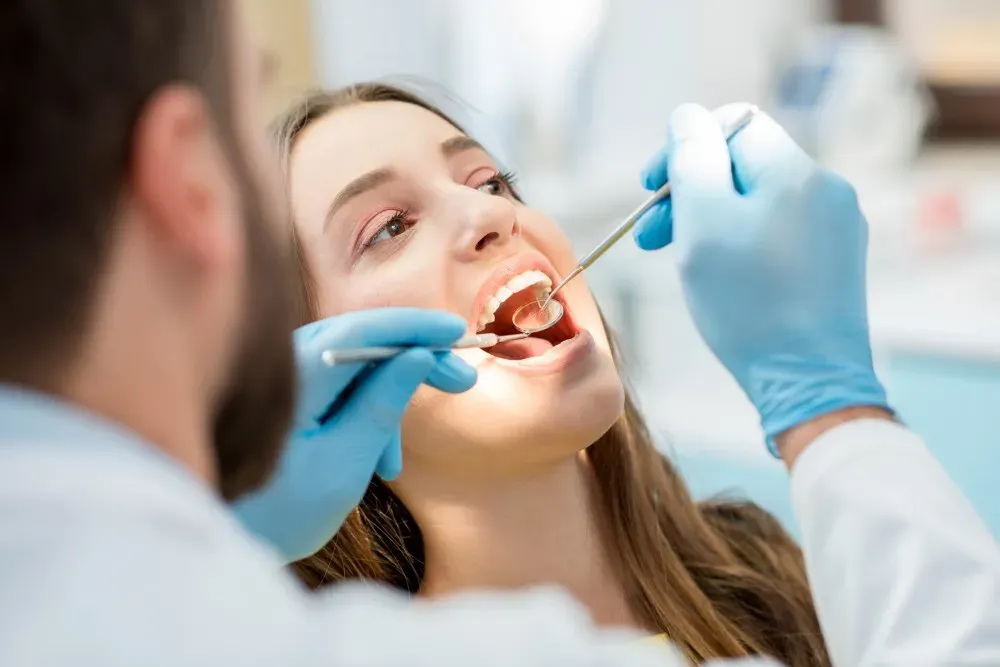
Your general dentist does more than fix teeth. You also trust them to spot silent problems early. This is where advanced screenings matter. Today’s tools help your dentist see tooth decay, gum disease, oral cancer, and airway issues before you feel pain. Early warning means simpler treatment. It also means less cost, less time in the chair, and less fear. If you seek cosmetic dentistry in Lansing, MI, these screenings guide safer choices. They show if your gums, bone, and bite can support whitening, veneers, or aligners. They also protect your long term health. Small changes in your mouth can signal diabetes, heart disease, or sleep apnea. Your dentist can see these patterns and help you act fast. This blog explains how general dentists use these screenings, what you should expect at a visit, and how you can ask for stronger protection.
Why advanced screenings matter for you and your family
You visit the dentist for cleanings and fillings. You also visit to protect your life. Mouth problems grow slow and quiet. You may not feel pain until disease is deep and hard to treat. Advanced screenings give a head start. They help your dentist catch changes in teeth, gums, and soft tissue when treatment is simple.
The Centers for Disease Control and Prevention explains that untreated cavities are common in children and adults. You can see this in their data on oral health at CDC Oral Health Fast Facts. Regular checkups with screening reduce that risk. You avoid sudden toothaches and rushed visits. You also lower the chance that a small issue turns into an infection.
You protect your children as well. Many problems such as bite issues and airway limits start young. Early checks help guide growth, speech, and sleep. You support school focus and behavior when you protect sleep and comfort.
Common advanced screenings your dentist may use
Modern dental visits often include more than a mirror and probe. You may see new tools and lights. Each serves a clear purpose.
- Digital X rays. These use a sensor with low radiation. They show cavities between teeth, bone loss, and infections.
- 3D cone beam scans. These give a three dimensional view of jaws, roots, and airway space.
- Intraoral cameras. These are small cameras that show close up images of teeth and gums on a screen.
- Oral cancer screenings. These include careful visual checks and touch. Some offices use special lights to see tissue changes.
- Gum and bone assessments. These measure pocket depth around teeth and watch bone levels on X rays.
- Bite and jaw screenings. These look at how teeth fit and how the jaw moves. You may see digital bite sensors or photos.
- Airway and sleep screenings. These look for signs of mouth breathing, grinding, and blocked airway.
- Caries risk tests. These may check saliva flow, pH, and bacteria levels.
Each screening adds a piece to your health picture. Together they guide a plan that fits your risk and your goals.
How screenings improve your treatment outcomes
Advanced screenings change timing and quality of care. You can see the difference in three ways.
- Earlier detection. Your dentist finds decay when it is a small spot. A quick filling replaces a possible root canal. Your dentist sees gum changes before teeth loosen. A cleaning and home care plan replace surgery.
- More precise planning. Detailed images guide where to place fillings, crowns, and implants. Your dentist avoids nerves and sinuses. You heal faster with fewer surprises.
- Better long term stability. Screenings track changes over time. Your dentist can compare images from year to year. You both see trends and adjust care before damage grows.
The National Institute of Dental and Craniofacial Research shares data on how early care helps keep natural teeth longer.
Screenings that support cosmetic and restorative work
If you want a brighter smile or need repair, screenings protect your investment. Your dentist must know if your mouth can handle the stress of cosmetic or restorative work.
Key checks include three main groups.
- Foundation checks. X rays and gum exams confirm that bone and gums are strong. This supports veneers, crowns, and implants.
- Bite and wear checks. Photos and bite tests show grinding or clenching. This affects how long fillings, crowns, and aligners last.
- Airway and jaw checks. 3D scans and sleep questions reveal airway limits that may link to grinding and jaw pain.
These screenings do not delay treatment. They prevent failure. A crown that breaks in a year or a veneer that pops off during a meal often points back to missed checks. You save money and stress when these risks are clear at the start.
Sample comparison of basic and advanced dental visits
The table below shows a simple comparison. Your visit may look different, yet the trend is similar.
| Visit type | Common screenings | Issues often found | Likely outcomes
|
|---|---|---|---|
| Basic checkup | Visual exam. Standard X rays every few years. | Cavities once they are larger. Gum disease once bleeding is clear. | More urgent visits. Higher chance of root canals and extractions. |
| Advanced screening visit | Digital X rays. Gum charting. Oral cancer check. Intraoral photos. Bite and airway review. | Early decay. Early gum changes. Subtle tissue changes. Signs of grinding or airway limits. | Smaller fillings. Fewer emergencies. More stable cosmetic work. Better long term comfort. |
What to expect during an advanced screening visit
You should know what will happen before you sit in the chair. This lowers fear and builds trust. A strong visit often follows three steps.
- Step one. Conversation. Your dentist or hygienist asks about pain, sleep, snoring, grinding, medications, and health changes. Share honest answers. Mouth health and body health link closely.
- Step two. Images and measurements. You may have digital X rays or a 3D scan. The team takes photos of your teeth and smile. They measure gum pockets and record any bleeding.
- Step three. Review and plan. Your dentist shows the images on a screen. You both look at spots of concern. Together you agree on next steps. This may include small repairs, a night guard, or a referral for sleep testing.
You stay in control. You can ask to see each image. You can ask why a test is useful and how often you need it.
How to ask your dentist for stronger screenings
You have the right to clear information. You can use three simple questions at your next visit.
- What screenings do you use to check for oral cancer and gum disease
- How often do you recommend X rays and why
- Do you check for signs of sleep apnea, grinding, or jaw stress
You can also ask how these checks affect your cosmetic or restorative plans. You deserve to know if a whitening or veneer plan fits your health. This is especially true for growing children, older adults, and anyone with chronic illness.
Taking your next step
Your mouth tells a strong story about your health. Advanced screenings help your dentist read that story before trouble grows. You gain fewer emergencies, stronger teeth, and safer cosmetic results. You also gain a partner who watches for quiet signs of disease that reach beyond your smile.
At your next visit, speak up. Ask what screenings your dentist uses. Ask to see the images. Ask how the results shape your care. You protect your body when you protect your mouth. You protect your family when you expect this same care for every child and every adult in the chair.