

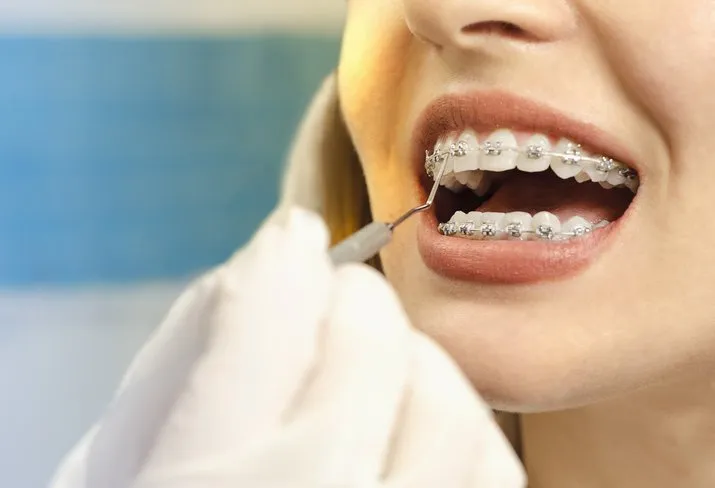
You finally decided to straighten your teeth, then one detail changed the whole conversation. You already have a dental implant. That can make a simple orthodontic plan feel suddenly uncertain, especially when you hear that implants do not move like natural teeth. If you are worried that braces or clear aligners are no longer an option, an orthodontist in Glen Allen VA can explain why the picture is usually better than it sounds.
The core issue is straightforward. Natural teeth can shift through bone when guided by orthodontic force. An implant is fixed in place because it bonds directly to bone. That means the implant stays where it is, while the teeth around it can still move. How orthodontists manage alignment around existing dental implants comes down to careful planning, force control, and deciding whether the implant will serve as a stable point, a limitation, or both.
That difference matters because a treatment plan built for all natural teeth does not work the same way once an implant is part of the bite. The good news is that many people with implants still complete successful orthodontic treatment. The plan just has to respect what the implant can and cannot do.
Dental implants change the way tooth movement works
A natural tooth sits in a ligament that allows controlled movement through bone. An implant does not have that ligament. It is anchored directly to bone and remains stationary under normal orthodontic forces. The FDA explains the basics of implant structure and placement in its guide on dental implants.
This creates a common problem. If the implant is already in the ideal spot, the orthodontist moves the surrounding teeth to match it. If the implant is slightly off from where the final smile and bite should be, the treatment becomes more strategic. Sometimes the teeth can be adjusted around it. Sometimes the implant crown is reshaped or replaced after alignment. Sometimes the implant position limits what can realistically be corrected without more involved treatment.
You may already be thinking about timing. What if the implant was placed years ago, before anyone considered braces? That happens often. A patient loses one tooth, restores it, then later notices crowding, spacing, or bite changes and wants everything lined up. The implant is not a failure in that situation. It is simply a fixed landmark in a system where the rest can still move.
Orthodontic treatment with implants depends on the bite, spacing, and implant position
Orthodontists start with records, not guesses. X rays, digital scans, photos, and a bite analysis show whether the implant sits in harmony with the rest of the arch. They also check the health of the bone and gums around it, because healthy support matters before any movement begins.
One of the main concerns is space. If an implant sits between crowded teeth, there is less freedom to create the kind of movement that braces usually rely on. Rotated teeth next to an implant can be corrected, but the force system has to avoid pushing roots into the implant site. If the implant is in the front of the mouth, even a small mismatch in gum line or tooth angulation can show when you smile, which is why planning has to be precise.
There is another side to this. An implant can also help. In some cases, it gives the orthodontist a stable anchor point when other teeth would otherwise drift. That can improve control during treatment. A review discussing implants used in orthodontic mechanics describes this role in more detail in the orthodontic literature.
Orthodontic alignment with dental implants is often less about whether movement is possible and more about where movement should happen. That is a much more useful question.
Clear aligners and braces both work, but they solve different problems
People often hope aligners will make the implant issue disappear. They do not. Braces and aligners both follow the same biological rule. The implant stays put. The difference is how each system delivers force and how much control the orthodontist needs over root position, rotation, and bite correction.
For mild spacing or crowding around a well placed implant, aligners may work well. For more complex bite issues, braces may give better control, especially when nearby teeth need detailed root movement. Neither option is automatically better. The best choice depends on the shape of your bite and the exact relationship between the implant and the surrounding teeth.
| Consideration | Natural Teeth | Existing Dental Implant |
| Response to orthodontic force | Can move through bone | Does not move with braces or aligners |
| Treatment role | Usually the moving parts of the plan | Acts as a fixed reference point |
| Space correction | Can be opened, closed, or redistributed | Space around it must be managed without moving the implant |
| Cosmetic adjustment after treatment | Often achieved by tooth movement alone | May need crown reshaping or replacement for final match |
| Risk if poorly planned | Root position or bite may be off | Can limit alignment goals or create esthetic mismatch |
Managing alignment around implants requires clear decisions before treatment starts
The hardest cases are not always the most crowded. They are the ones where the implant was placed before growth finished, before neighboring teeth shifted, or before a larger bite problem was recognized. In younger patients, an implant can end up looking lower than nearby teeth over time because natural teeth continue to erupt slightly while the implant does not. In adults, the issue is more often spacing, angulation, or bite fit.
This is where a skilled orthodontist looks beyond straight teeth. The plan may include moving adjacent teeth first, then updating the implant crown later so the final shape and contact points look natural. In some cases, the orthodontist coordinates with a restorative dentist or oral surgeon before active treatment begins. That team approach prevents the kind of surprise that costs time and money halfway through care.
Three steps you can take before starting braces or aligners
Get a full orthodontic evaluation with implant specific records. Ask for imaging and a bite review that shows the implant position relative to the roots and final tooth goals. A quick consult is not enough when an implant is involved.
Ask whether the implant is an anchor, a limitation, or both. That question gets to the heart of the plan. You want to know whether the surrounding teeth can be moved into an ideal result or whether the implant position sets a boundary on what can be corrected.
Discuss the final restoration before treatment starts. If the implant crown may need reshaping, replacement, or color matching after alignment, it is better to know that at the start. That helps you budget and avoids disappointment at the finish line.
A careful plan can still lead to a balanced smile
Having an implant does not automatically rule out braces or aligners. It means your treatment has to be built around one tooth replacement that stays fixed while the rest of the mouth changes. Teeth straightening around implants is often successful when the diagnosis is clear and the final bite is planned from the beginning, not improvised later.
If you are considering orthodontic treatment and already have a dental implant, schedule a consultation and ask for a treatment plan that accounts for both alignment and the final restoration. A thoughtful plan now can save you from a frustrating result later.