

Introduction
The textile industry is one of the largest contributors to global waste and pollution. With increasing consumer demand for sustainability, manufacturers are turning to innovative solutions to minimize their environmental impact. One such solution is the use of textile balers, which help manage textile waste efficiently and support sustainable manufacturing practices. These machines compact textile scraps and discarded fabrics into manageable bales, making recycling and repurposing easier and more effective.
In this article, we’ll explore how textile balers play a crucial role in sustainable manufacturing, the benefits they offer, and how brands and factories are integrating them into their green initiatives.
Understanding Textile Balers
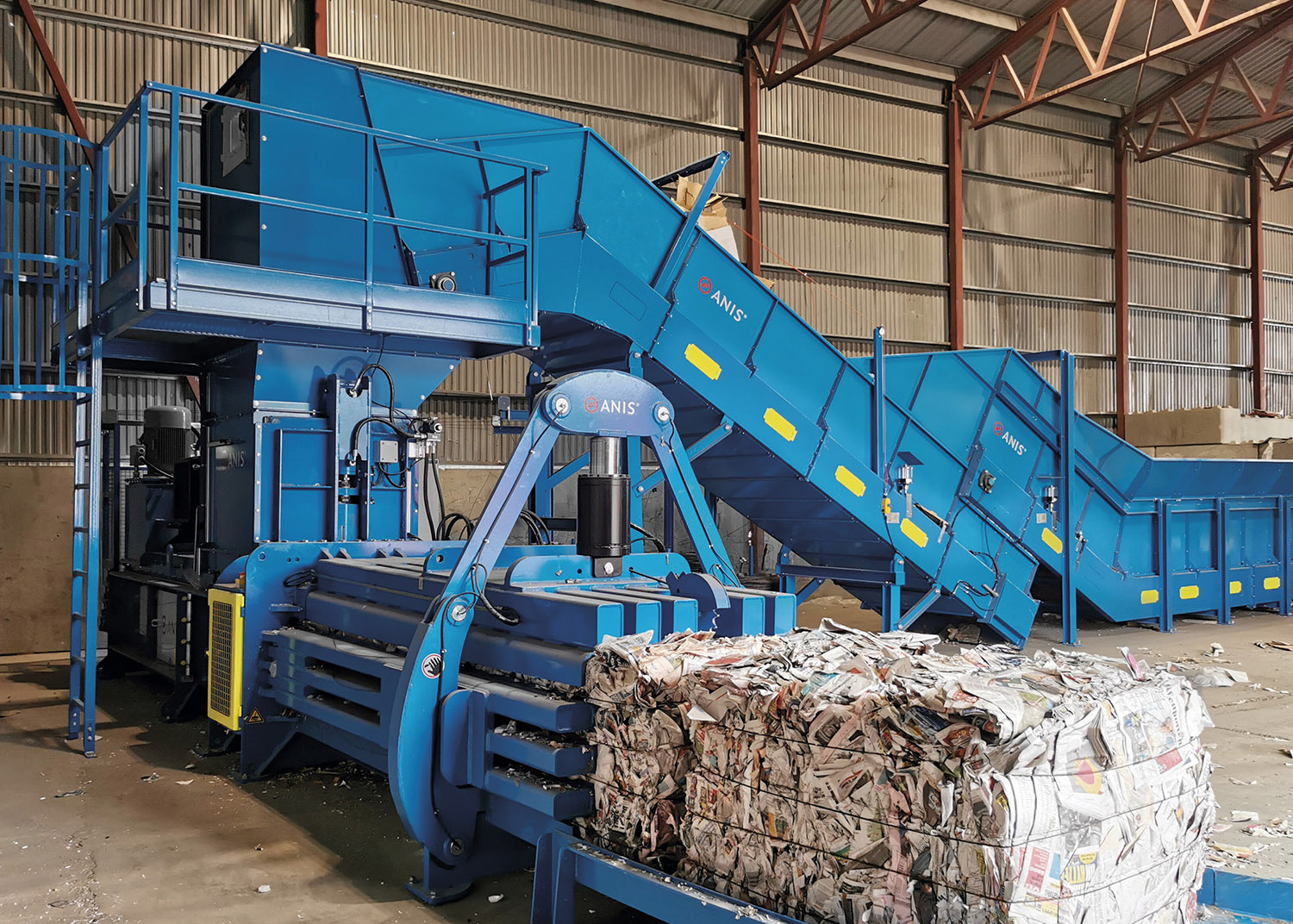
Textile balers are machines designed to compress textile waste into dense, transportable bales. These balers come in various sizes and types, including:
- Vertical Balers: Suitable for smaller operations with limited space.
- Horizontal Balers: Ideal for large-scale textile manufacturers and recycling plants.
- Automated Balers: Equipped with advanced features for high-volume processing.
By using these balers, textile manufacturers can streamline waste handling, reduce storage space, and improve recycling efficiency.
The Role of Textile Balers in Sustainable Manufacturing
Sustainability in manufacturing focuses on reducing waste, optimizing resource use, and lowering environmental impact. Textile balers support these goals in several ways:
1. Reducing Textile Waste in Production
During the manufacturing process, textile factories generate large amounts of fabric scraps, offcuts, and defective materials. Without proper waste management, these materials often end up in landfills. By using textile balers, manufacturers can efficiently collect and compress these scraps, making them easier to transport and recycle. This reduces landfill waste and supports a circular economy.
2. Enhancing Recycling Efficiency
Baling makes it easier to sort and transport textiles for recycling. Once baled, textile waste can be sent to recycling facilities, where it is repurposed into new fabrics, insulation materials, or industrial rags. This helps extend the life cycle of textiles and minimizes the demand for virgin raw materials.
3. Lowering Carbon Footprint
Unbaled textile waste requires more storage space and transportation resources. By compressing waste into compact bales, textile manufacturers can significantly reduce transportation frequency, lowering fuel consumption and carbon emissions. This aligns with global sustainability goals and corporate environmental responsibility initiatives.
4. Supporting Circular Fashion and Upcycling
Many fashion brands are adopting circular fashion models, where materials are continuously repurposed rather than discarded. Textile balers facilitate this process by making it easier to collect and store used textiles for upcycling. Companies that specialize in repurposing old garments into new products, such as shoes, bags, and home furnishings, benefit greatly from baling technology.
5. Improving Workplace Efficiency and Cleanliness
Loose textile waste can create safety hazards in manufacturing plants. By using textile balers, factories can maintain cleaner and safer work environments, improving overall operational efficiency. Workers spend less time managing waste, allowing them to focus on production and quality control.
Brands and Factories Integrating Textile Balers into Their Sustainability Strategies
Several leading fashion brands and textile manufacturers have embraced textile balers as part of their sustainability commitments. Some notable examples include:
Patagonia
Patagonia, known for its commitment to environmental responsibility, uses textile balers to streamline its recycling programs. The company collects worn-out garments, bales them, and sends them to specialized facilities where they are repurposed into new materials.
H&M Group
Through its garment collection initiative, H&M uses textile balers to manage returned clothing. These bales are then processed into fibers for new garments, supporting the company’s goal of a circular fashion economy.
Nike’s Reuse-A-Shoe Program
Nike collects used sneakers and compresses them into bales using textile balers before transporting them for recycling. The baled materials are transformed into Nike Grind, a sustainable material used in footwear and sports surfaces.
Economic and Environmental Benefits of Textile Balers
Cost Savings for Manufacturers
Using textile balers can lead to significant cost reductions. Companies save money on waste disposal fees, reduce labor costs associated with waste management, and improve overall efficiency.
Compliance with Environmental Regulations
Governments worldwide are enforcing stricter waste disposal laws. Textile manufacturers using balers can better comply with regulations by ensuring proper waste management and recycling practices.
Conservation of Natural Resources
By recycling and repurposing textiles, manufacturers reduce the demand for virgin raw materials such as cotton, wool, and synthetic fibers. This helps conserve water, reduce pesticide use, and lower greenhouse gas emissions associated with fabric production.
The Future of Textile Baling Technology
As sustainability becomes a top priority, advancements in baling technology are making textile waste management even more efficient. Future trends include:
- AI-Powered Sorting and Baling: Smart balers equipped with AI can automatically sort and categorize textiles before baling, improving recycling accuracy.
- Integration with Blockchain Technology: Ensuring transparency in textile recycling by tracking baled materials from collection to reuse.
- On-Site Recycling Units: Compact, portable balers that allow businesses to recycle textiles directly on their premises, reducing transportation emissions.
Conclusion
Textile balers play a crucial role in sustainable manufacturing by reducing waste, enhancing recycling efficiency, and lowering the environmental impact of textile production. As more brands and factories incorporate balers into their waste management strategies, the fashion industry moves closer to a circular economy and a greener future.
By embracing textile baling technology, manufacturers can not only improve their sustainability efforts but also benefit economically through cost savings and regulatory compliance. With continuous innovations in baling equipment, the future of textile waste management looks more promising than ever.