

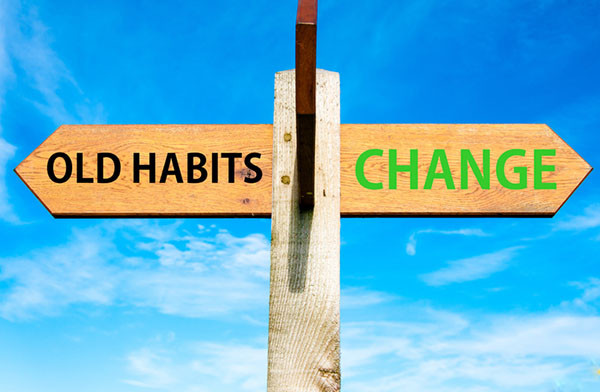
Habits shape the rhythm of our lives, often quietly dictating our choices, actions, and even emotions. While some habits propel us toward growth, others quietly tether us to stagnation or discomfort. Breaking free from behaviors that no longer serve us—whether it’s procrastination, negative self-talk, or unhealthy routines—requires more than sheer willpower. It requires an understanding of the psychology behind habits, awareness of our mental patterns, and deliberate strategies to rewire our responses.
Understanding the Habit Loop
At the core of every habit is a simple neurological loop: cue, routine, and reward. The cue is the trigger that prompts a behavior, the routine is the behavior itself, and the reward is the benefit your brain perceives from repeating it. For instance, checking your phone every time you hear a notification starts as a cue, the action of unlocking and scrolling is the routine, and the dopamine hit from new information is the reward. Over time, this loop becomes automatic, embedding the habit deep into your neural pathways.
The challenge with habits that no longer serve us is that they often provide short-term rewards despite long-term costs. Eating junk food may relieve stress momentarily, but the long-term effects on health and energy can be detrimental. The psychology of stopping such habits, therefore, revolves around disrupting the habitual loop while simultaneously creating alternative pathways that fulfill the same need in healthier ways.
The Role of Mindfulness
Mindfulness—the practice of paying attention to the present moment without judgment—is a cornerstone in breaking unhelpful habits. Habits thrive in autopilot mode, often bypassing conscious thought. By cultivating awareness, we gain the ability to recognize triggers before automatically responding.
For example, someone trying to quit smoking might notice that they light a cigarette every time they feel stressed. Mindfulness allows them to identify the stress cue, observe the craving without judgment, and consciously choose a different action, such as taking a walk or practicing deep breathing. Over time, this conscious intervention weakens the automatic loop, giving the individual control over their behavior rather than being controlled by it.
Rewiring the Brain Through Replacement
Research in neuroplasticity shows that the brain is capable of rewiring itself through repeated practice and new experiences. When trying to stop a habit, simply suppressing it can create tension and increase the likelihood of relapse. Instead, replacing the habit with a healthier or more productive behavior taps into the same reward system without the negative consequences. For example, some adults find that switching from traditional cigarettes to controlled use of salt nic e-liquids helps them manage cravings while gradually reducing nicotine intake. For instance, instead of scrolling through social media late at night—a habit that may disrupt sleep—a person might replace it with reading a few pages of a favorite book. The reward of mental stimulation remains, but the behavior supports better sleep hygiene. By consistently substituting the old habit with a new one, the brain gradually forms new neural connections, making the healthier behavior the default over time.
Understanding Resistance and Motivation
One of the biggest psychological hurdles in stopping unhelpful habits is the discomfort associated with change. Habits often persist because they provide a sense of familiarity and predictability. When you attempt to break a habit, your brain may perceive the change as a threat, triggering resistance. This is why sudden, extreme attempts to overhaul behavior frequently fail—motivation alone is rarely enough.
Instead, psychologists suggest focusing on why you want to change, linking the new behavior to personal values or meaningful goals. When the desire to grow is stronger than the comfort of old habits, change becomes more sustainable. Additionally, setting small, achievable milestones helps reduce resistance by creating early wins that reinforce the sense of capability and progress.
The Power of Environment
Our environment exerts a powerful influence on behavior. Habits are often easier to maintain or break depending on the cues present in our surroundings. For example, keeping unhealthy snacks in plain sight makes it harder to resist, while placing fruits within easy reach encourages healthier choices. Similarly, if your goal is to reduce procrastination, organizing your workspace to minimize distractions can create an environment conducive to focus.
By strategically designing your environment, you reduce reliance on sheer willpower and make desired behaviors more automatic. The psychology here is simple: remove friction from good habits and add friction to unwanted ones.
Self-Compassion and Patience
Stopping behaviors that no longer serve us is rarely linear. Setbacks are part of the process, and self-criticism can undermine progress. Practicing self-compassion—acknowledging that lapses are normal and treating yourself kindly—supports resilience and long-term change.
Studies show that self-compassion enhances motivation, reduces stress, and helps maintain perspective. Instead of dwelling on failures, you learn from them, adjusting strategies without slipping into guilt or shame. Over time, this approach strengthens your ability to stick with meaningful change, even when the path feels challenging.
Moving Forward with Intention
Breaking free from unhelpful habits is not about perfection—it’s about choice, awareness, and deliberate action. The psychology behind stopping what no longer serves us highlights three key principles: understanding the habitual loop, rewiring the brain through mindful replacement, and leveraging motivation, environment, and self-compassion to sustain change.
When you approach habits with intention, you reclaim control over your actions. You no longer allow outdated behaviors to dictate your life. Instead, you create space for growth, resilience, and fulfillment. Each small decision to pause, reflect, and choose differently is an exercise of mental strength—a reaffirmation that your mind, not your habits, guides your life.
In the end, stopping what no longer serves you is more than a psychological process; it is a journey of self-discovery. You learn what truly matters, align your actions with your values, and cultivate the freedom to shape your life with purpose. Mind over habit is not about denying your impulses; it is about consciously steering them toward a future that reflects your highest aspirations.