

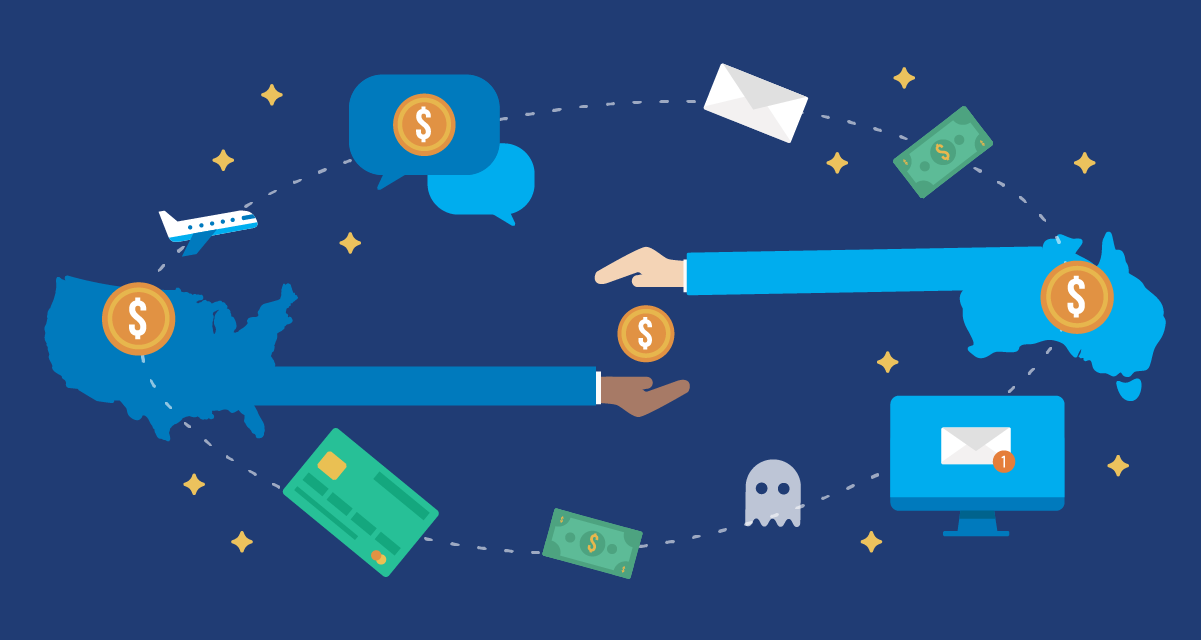
There was a time when waiting was simply part of the online payment experience. Refunds took days, withdrawals came with timelines, and users accepted delays as normal. Today, that mindset has completely changed. In India’s fast-paced digital economy, instant has become the most powerful word associated with payments.
Whether it’s transferring money, receiving refunds, or withdrawing funds from online platforms, users now expect speed by default. Anything slower feels outdated.
The UPI Revolution Changed Expectations Forever
One of the biggest reasons behind this shift is the widespread adoption of UPI. By enabling real-time money transfers 24/7, UPI has reset expectations across the country. Sending money now takes seconds, regardless of the time or day.
According to data shared by the National Payments Corporation of India (NPCI), UPI handles billions of transactions every month, making instant transfers a routine part of daily life for millions of Indians.
Once users experience this level of convenience, patience for delays naturally disappears. If money can move instantly between bank accounts, users begin to expect the same speed everywhere else.
Speed Is Now Closely Linked to Trust
In the digital world, speed has become a signal of reliability. Platforms that process payments or withdrawals quickly are perceived as efficient and transparent. On the other hand, delays, especially unexplained ones, often lead to doubt, frustration, and loss of trust.
This is why payment timelines now play a major role in how users judge platforms. Fast transactions make users feel in control of their money, while slow processes raise concerns even if the service itself is legitimate.
In many ways, speed has become as important as security when it comes to digital trust.
How “Instant” Became a Competitive Advantage
As user expectations evolved, payment speed turned into a competitive advantage for digital platforms. Two services may offer similar features, pricing, or content, but the one that enables faster withdrawals or refunds often wins user preference.
This trend isn’t limited to one industry. E-commerce platforms, gig economy apps, subscription services, and entertainment platforms are all under pressure to reduce payment delays. The word instant attracts attention because it promises convenience and peace of mind.
The Reserve Bank of India (RBI) has also highlighted the growing importance of real-time payment systems in strengthening India’s digital payment ecosystem
The Rise of Impatient Digital Consumers
Another major factor driving this change is the rise of on-demand culture. Food arrives within minutes, cabs are booked instantly, and messages are delivered in real time. In this environment, waiting days for money to reflect in an account feels unnecessary.
Younger users, in particular, have little tolerance for delays. For them, speed is not a luxury, it’s the baseline. Platforms that still rely on slow settlement cycles often struggle to retain these users, even if their services are otherwise reliable.
Instant payments also reduce anxiety. Knowing that money can be accessed immediately creates a sense of control and confidence, which plays a big role in user loyalty.
Why Platforms Are Racing to Go Instant
Behind the scenes, platforms are actively upgrading their payment infrastructure. Faster processing reduces customer support complaints, improves retention, and enhances brand perception. While implementing instant systems requires investment, the long-term benefits often outweigh the costs.
This race toward speed explains why payment timelines are now prominently mentioned in platform communication. Users actively look for clarity on how quickly they can access their funds before signing up.
As part of this broader digital conversation, users researching payment speed sometimes encounter discussions around instant withdrawal betting sites, not as a primary focus, but as one example of how different online platforms are responding to the growing demand for faster access to money.
Here, the emphasis is on instant withdrawals, not the activity itself.
A Broader Shift in India’s Digital Payment Culture
What we’re witnessing is a cultural shift. Delayed payments no longer feel acceptable in a country that has embraced real-time digital services. Just as instant messaging replaced long emails for quick communication, instant payments are replacing traditional settlement timelines.
This shift benefits users, but it also pushes platforms to modernise. Those that fail to adapt risk being seen as outdated, regardless of the quality of their core offerings.
What the Future Looks Like
As digital payments continue to evolve, instant will likely stop being a selling point and become the default expectation. Users won’t ask how long a withdrawal takes, they’ll assume it happens immediately.
For businesses, this means payment speed is no longer a backend detail. It’s a central part of the user experience and a key factor in building trust and loyalty.
Final Thoughts
The growing importance of instant payments reflects how deeply digital habits have shaped user expectations in India. Speed now equals convenience, confidence, and control.
In a digital-first economy where time matters as much as money, it’s easy to see why instant has become the most important word in digital payments.