

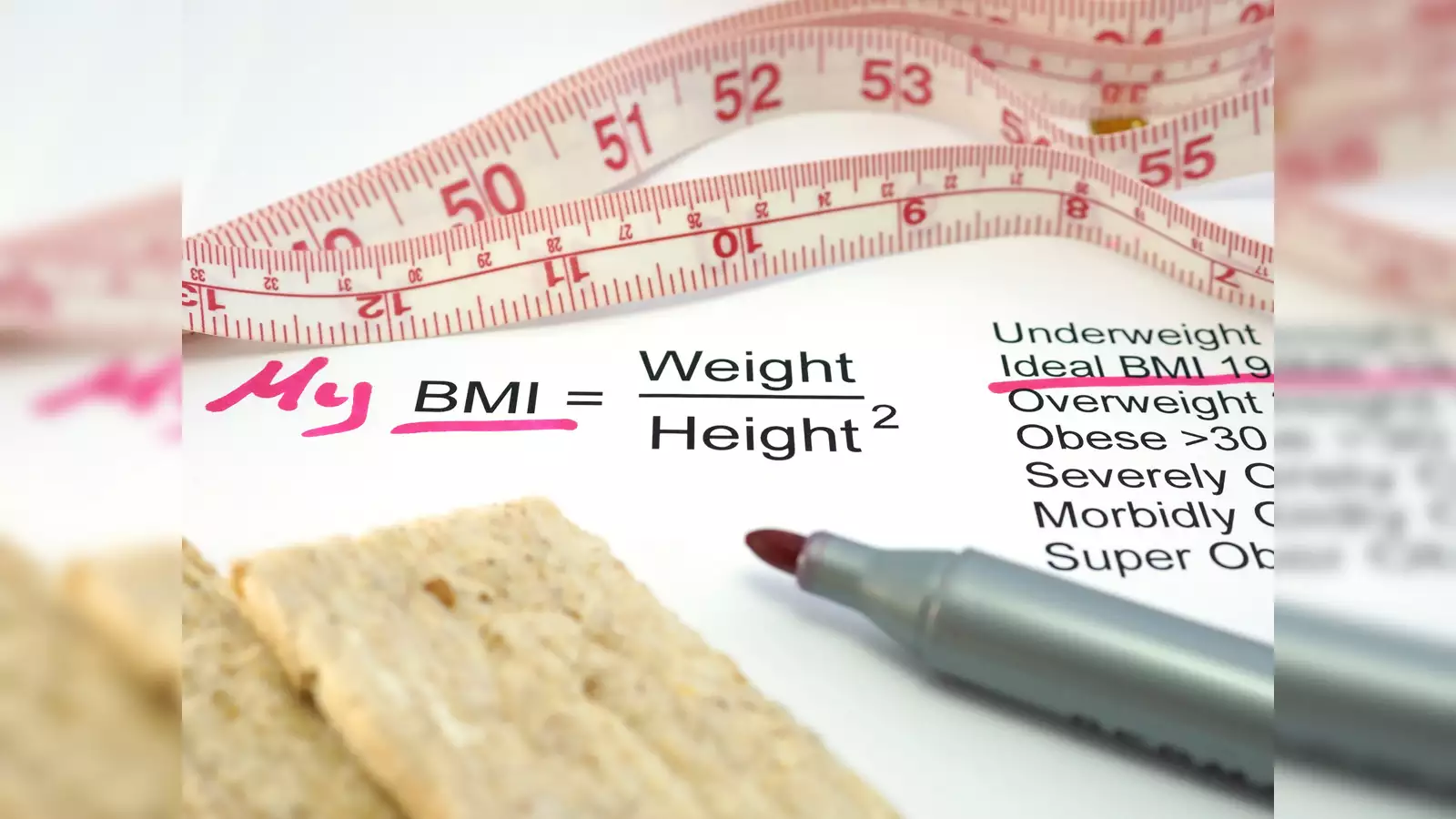
Tracking health and maintaining fitness requires reliable tools, and a BMI calculator is one of the most effective ways to evaluate your weight in relation to your height. By combining BMI tools with a height weight chart, individuals can better understand their health status and take steps toward achieving their wellness goals. In 2025, BMI calculators have evolved to offer greater accuracy and ease of use, making them an essential component of personal health management.
What is a BMI calculator and why is it important?
A BMI calculator measures your Body Mass Index, a numerical value derived from your weight and height. This calculation places you in one of four categories: underweight, normal weight, overweight, or obese.
BMI is a quick and efficient way to assess whether your weight is proportionate to your height, offering valuable insights into potential health risks such as obesity, diabetes, or cardiovascular conditions. While it does not provide a complete health diagnosis, BMI serves as a reliable starting point for identifying areas requiring attention.
The role of height weight charts in health tracking
A height weight chart complements BMI calculators by offering a visual representation of healthy weight ranges for different heights. This tool is particularly useful for setting weight goals and understanding how your measurements compare to standard benchmarks. When used together, a BMI calculator and a height weight chart provide a clearer picture of your overall health.
Features to look for in a BMI calculator
1. Accuracy
A good BMI calculator provides precise measurements, ensuring that the results are as accurate as possible based on the height and weight data you input.
2. Ease of use
User-friendly calculators are straightforward, requiring only a few details to deliver quick results. Tools with a simple interface are ideal for daily use.
3. Additional insights
Some calculators go beyond BMI, offering information on healthy weight ranges, suggested lifestyle changes, or recommended calorie intake to maintain or improve your BMI.
4. Compatibility
Modern calculators are accessible on multiple platforms, including websites and mobile devices, ensuring flexibility and convenience for users.
How to interpret BMI results
- Underweight (BMI < 18.5): This indicates a weight that is below the healthy range. It is important to focus on a balanced diet and consider professional advice if needed.
- Normal weight (BMI 18.5 – 24.9): This is the ideal weight range for your height, reflecting a healthy balance. Focus on maintaining this through regular exercise and nutritious meals.
- Overweight (BMI 25 – 29.9): A higher-than-normal weight that may require changes in diet and physical activity to reduce health risks.
- Obese (BMI > 30): This level of BMI signals a significantly increased risk of health complications. A healthcare professional’s guidance can help manage weight effectively.
Why BMI calculators are essential for health tracking
Quick and efficient: BMI calculators deliver instant results, enabling regular monitoring without hassle.
Accessible for everyone: These tools are widely available and easy to use, making them suitable for individuals at all fitness levels.
Provides actionable insights: The results help in setting realistic goals and implementing lifestyle changes tailored to your needs.
Cost-effective: BMI calculators offer a simple yet powerful solution for tracking health without requiring expensive tools or consultations.
Limitations of BMI calculators
While BMI calculators are highly useful, it is important to recognise their limitations:
- Does not measure body composition: BMI focuses solely on weight and height, without distinguishing between fat and muscle mass.
- Ignore individual differences: Factors such as age, gender, and body type are not accounted for, which may affect the accuracy of the assessment.
- Not suitable for all populations: The standard BMI scale may not be appropriate for children, older adults, or athletes with high muscle density.
For a more holistic understanding of health, consider pairing BMI measurements with additional tools such as waist-to-hip ratio or body fat percentage calculators.
How to use BMI results effectively
- Set realistic goals: Use your BMI score as a baseline to set achievable health and fitness targets.
- Focus on a balanced lifestyle: Combine regular physical activity with a nutritious diet to improve your BMI over time.
- Monitor progress regularly: Reassess your BMI periodically to track changes and adjust your routine as needed.
- Seek professional advice: Consult a healthcare provider or nutritionist if your BMI falls outside the normal range to develop a personalised plan.
Conclusion
BMI calculators are indispensable tools for maintaining health and tracking progress effectively. By combining these tools with a height weight chart, individuals can gain a deeper understanding of their health status and take proactive steps toward a balanced lifestyle.
In 2025, the evolution of BMI calculators has made them more accurate and accessible than ever. Whether you are aiming to lose weight, maintain your current level of fitness, or simply monitor your health, using a reliable BMI calculator can help you stay on track and achieve your goals. Make health a priority this year with these easy-to-use tools and a commitment to regular health monitoring.