

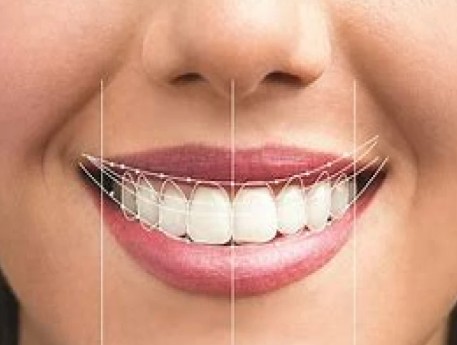
You may be looking in the mirror and seeing more than a color or shape issue. Maybe one front tooth looks worn, your bite feels off, or you hide your smile in photos because something just seems uneven. That frustration is real, especially when the problem looks cosmetic but feels physical every time you chew, speak, or clench your teeth at night. If you are searching for a dental clinic in Shawnee, Oklahoma, you are not alone in wanting answers and treatment that address both appearance and function.
That is why smile design cannot stop at surface changes. A smile can look brighter and straighter, yet still fail if the bite is unstable, the gums are unhealthy, or worn teeth keep breaking down. Why smile design requires both functional and cosmetic approaches comes down to one simple truth. Teeth have to work well before they can keep looking good. The best results blend appearance, comfort, durability, and oral health.
Smile design works best when function leads cosmetic choices
People often think of smile design as veneers, whitening, or reshaping. Those treatments can help, but they are only part of the picture. If your jaw closes unevenly, if one side of your mouth does most of the chewing, or if old fillings have changed your bite over time, cosmetic changes alone can cover a deeper problem instead of fixing it.
A patient with chipped front teeth is a common example. The chips may seem like a simple cosmetic issue, yet the real cause may be grinding, misalignment, or loss of support from back teeth. If the treatment only restores the front edges, the same force that caused the damage can break the new work. You pay for a nicer smile, then end up right back where you started.
That is where esthetic and functional smile planning matters. The dentist has to look at tooth position, gum health, jaw movement, wear patterns, speech, and how restorations will hold up under daily use. General, cosmetic, and restorative dentistry often overlap here because a healthy smile is not split into separate categories in real life.
Good oral health supports every cosmetic result. The MedlinePlus dental health resource explains how decay, gum disease, and other common dental problems affect both comfort and appearance. The NIDCR oral hygiene guide also makes the connection clear. Daily care is not separate from smile design. It is part of what keeps results stable.
Cosmetic dentistry alone can miss the reason your smile changed
Teeth do not usually become worn, shifted, or uneven for no reason. Age plays a role, but so do habits, missing teeth, gum recession, old dental work, trauma, and bite imbalance. You may notice the visible change first because that is what stares back at you. The hidden issue is often what decides whether treatment lasts.
What if you whiten teeth that have untreated enamel wear? The color may improve, but sensitivity can stay. What if veneers close small gaps without addressing crowding or a deep bite? The smile can look polished, but extra pressure may build on certain teeth. What if a person replaces one broken tooth and ignores gum inflammation across the mouth? The new restoration may look great on day one, while the surrounding tissue keeps declining.
Functional and cosmetic smile design protects against that cycle. It asks harder questions before treatment begins. Can you bite comfortably? Are your gums healthy enough to frame the teeth well? Is there enough enamel for bonding? Do worn back teeth need support so front teeth stop taking all the force? Those details affect comfort, cost, and how often you need repairs later.
National research continues to show how common oral disease remains and how strongly it affects quality of life, nutrition, speech, and confidence. The Oral Health in America report outlines these broad patterns, and published research on oral health and patient outcomes reinforces the link between oral conditions and daily well being. A smile is never just about looks.
Balanced smile design reduces the risk of short lived results
Cosmetic improvements and functional care are not competing goals. They support each other. Straight edges, even proportions, and bright enamel matter, but so do stable contacts between teeth, healthy gums, and a bite that does not overload new restorations.
| Approach | What It Focuses On | Short Term Result | Long Term Risk or Benefit |
| Cosmetic only | Color, shape, visible alignment | Fast visual improvement | Higher risk of chipping, wear, discomfort, or repeat treatment if bite and health issues remain |
| Functional only | Bite, decay, gum health, structural repair | Better comfort and stability | Strong foundation, but appearance concerns may still affect confidence |
| Combined smile design | Appearance, bite, gum health, tooth support, long term maintenance | Improved look and daily function | Better durability, more natural feel, and results that are easier to maintain |
This is the difference between a quick fix and a plan. A good smile design process should account for how your teeth meet, how your gums frame the smile, and what materials fit your habits and goals. Someone who grinds at night may need a night guard after cosmetic treatment. Someone with gum recession may need periodontal care before reshaping or veneers. Someone with missing teeth may need restorative support before pursuing cosmetic finishing touches.
Three steps help you move toward a smile that looks good and works well
Ask for a full diagnostic evaluation. Do not settle for a plan based only on photos. A proper workup may include X rays, bite analysis, periodontal evaluation, and a review of wear patterns, habits, and old dental work. That gives you a clearer picture of what is cosmetic and what is structural.
Define your goals in daily life terms. Say what actually bothers you. Maybe you want to smile without covering your mouth, chew without favoring one side, or stop replacing the same broken bonding. Those details help shape a treatment plan that fits your real life, not just an ideal image.
Choose phased treatment when needed. You do not always have to do everything at once. Sometimes the best path starts with gum treatment, cavity care, or bite stabilization, then moves into whitening, bonding, veneers, or crowns. That approach often saves money and disappointment over time because each step supports the next.
A healthier smile design creates better cosmetic results
If your smile has changed, you are not being vain for caring about it. Your smile affects how you eat, speak, and show up around other people. You deserve a plan that respects both appearance and function. The strongest results in general, cosmetic, and restorative dentistry come from treating the whole picture, not just the part that shows in photos.
When smile design is built on healthy gums, stable teeth, and a balanced bite, cosmetic improvements have a better chance of lasting. That is the kind of result most people want. Not just prettier teeth, but a smile that feels like it belongs to you again.