

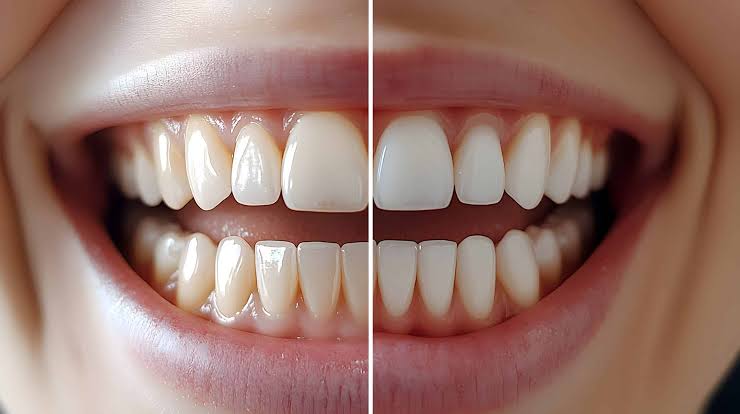
You may already be picturing the end result. Straighter teeth, a new crown, veneers that fix chips or shape, maybe bonding that finally covers a spot you have noticed in every photo. Then your Fullerton dentist brings up whitening first, and it can feel like one more step, one more cost, one more thing standing between you and the smile you want.
That reaction makes sense. When you are ready to improve your smile, you want a clear path, not a detour. The reason whitening often comes first is simple. Many cosmetic materials do not lighten the way natural teeth do. If you bleach your teeth after veneers, crowns, or bonding are placed, the natural teeth may brighten while the restorations stay the same shade. That can leave you with a patchy result and work that suddenly looks less natural than it should.
Teeth whitening before cosmetic dental work creates a better color match
Your natural teeth respond to whitening. Porcelain and composite materials usually do not. That is the core issue behind teeth whitening before cosmetic dental work. If you plan to get veneers, crowns, bridges, or bonding, your dentist needs to choose a shade that fits the color you actually want, not the color your teeth happen to be today.
This matters most when the cosmetic work will sit next to visible natural teeth. A front crown that matches today’s slightly darker shade can look off once the surrounding teeth are whitened later. The same problem can happen with bonding on a chipped edge or a veneer placed on one or two teeth. Even a small mismatch catches the eye fast because teeth sit in the center of your face.
Color matching is not guesswork. Dentists use shade guides and careful clinical judgment to blend restorations with nearby teeth. Research on whitening and esthetic planning keeps reinforcing the same point, that sequencing affects the final result. You can see that thinking reflected in academic discussions of whitening’s role in treatment planning at this University of the Pacific presentation on tooth whitening.
Whitening first can help you avoid redoing cosmetic work sooner than expected
You are not just paying for materials. You are paying for time, precision, and a result that should hold up. If cosmetic work is completed before the tooth color is settled, you may end up replacing or adjusting restorations earlier than planned. That can mean extra appointments, extra cost, and frustration that feels avoidable once you understand what happened.
Take crowns as an example. A crown restores strength and appearance, but its shade is fixed once it is made. If the surrounding teeth become lighter later, that crown may stand out. The same concern applies to bridges, which also rely on matching the neighboring teeth for a natural look. The University of Illinois Chicago explains how crowns and bridges restore teeth, and that esthetic success depends heavily on fit and color.
This is why many dentists suggest whitening before other esthetic treatment, especially when the work involves the front teeth. It is less about upselling and more about avoiding a result that looks fine at first but disappointing six months later.
Some cosmetic treatments depend on stable tooth shade
Whitening before veneers and crowns is often recommended because these restorations are custom made to match a chosen shade. Once that shade is selected, the lab creates the final piece around it. If you whiten first, then wait for the color to settle, your dentist can design the restoration around a more stable target.
There is also a practical side. Whitening can briefly cause sensitivity for some people. If you are also preparing teeth for veneers or replacing old restorations, your dentist may prefer to separate those steps so your mouth is more comfortable and the shade choice is more accurate.
Not everyone needs whitening before cosmetic work. If a tooth is badly discolored from trauma, whitening may not fully correct it. If you already like your tooth color, there may be no reason to change it. A cosmetic dentistry plan should fit your goals, not force a standard sequence on every patient.
Professional whitening and delayed whitening lead to different outcomes
| Approach | Best Use | Main Benefit | Common Drawback |
| Professional whitening before cosmetic work | Veneers, crowns, bonding, bridges in visible areas | Allows restorations to be matched to a lighter, planned shade | May require a short waiting period before final shade selection |
| Whitening after cosmetic work | Cases with no visible restorations or no planned shade change | Can brighten untreated natural teeth | Restorations do not usually lighten, which can create mismatch |
| Over the counter whitening first | Mild staining, simple maintenance | Lower upfront cost | Less predictable color change and more risk of uneven results |
| Skipping whitening entirely | Patients satisfied with current shade | One less treatment step | Cosmetic work will be matched to the present tooth color only |
The strongest reason to whiten first is predictability. You want your dentist choosing the shade on purpose, not working around a color you plan to change later. That is especially true when one or two front teeth are being restored, because small differences show up fast in photos and natural light.
Three steps can make your cosmetic treatment plan more predictable
- Decide on your ideal shade before restorative work begins. If you think you may want whiter teeth at any point, say so early. Shade planning should happen before veneers, crowns, bridges, or bonding are finalized.
- Ask which materials in your mouth can and cannot whiten. Natural enamel may respond well. Old fillings, crowns, veneers, and bonded areas usually will not. That one question can prevent a surprise mismatch later.
- Build in time between whitening and final cosmetic treatment. Your dentist may recommend waiting a short period after whitening so the color can stabilize and sensitivity can calm down. That often leads to a better final match.
Thoughtful sequencing gives you a smile that looks more natural
If your dentist recommends whitening first, the goal is usually not to slow you down. It is to protect the result you are paying for. When the tooth color is set before restorations are designed, your smile has a better chance of looking even, natural, and consistent over time.
If you are planning cosmetic changes, ask for a treatment sequence that explains what comes first and why. A clear plan can spare you from color mismatch, repeat work, and the feeling that something looks off even when you cannot name it.