

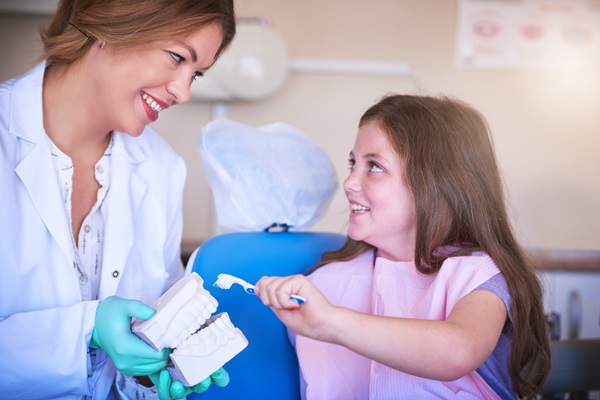
Children with special needs face real barriers to basic dental care. Sensory overload, fear, and past pain can turn a simple checkup into a crisis. You may feel worn out, ashamed, or blamed when appointments fall apart. Preventive dentistry gives you a different path. Regular cleanings, fluoride, and sealants lower the risk of cavities and infections. Early visits also help your child slowly trust the dental chair, tools, and staff. A Poway dentist trained in special needs care can adjust lighting, sounds, timing, and even the order of each step. This planning protects your child’s teeth and protects your family’s peace. It also reduces dental emergencies that can lead to hospital visits and missed school. Preventive care does not erase every challenge. Yet it builds a safer routine, one visit at a time, so your child’s mouth stays healthy and their daily life feels more steady.
Why preventive dentistry matters for special needs
Children with autism, developmental delay, physical limits, or chronic illness often have a higher risk of tooth decay. Some take medicine that dries the mouth. Some eat soft or sweet foods more often. Many struggle with brushing and flossing. You carry that weight every day.
Preventive dentistry lowers that load. Routine visits catch small problems before they grow. Simple steps protect teeth before hurt begins. This reduces pain, infection, and dental work that needs shots or sedation. It also protects sleep, school, and behavior at home.
You are not just avoiding cavities. You are guarding your child’s comfort, speech, and nutrition. Healthy teeth help your child chew, gain weight, and form sounds. They also help your child feel less judged by others.
Core preventive services for children with special needs
Preventive care includes a few basic tools. Each one can be adapted for your child.
- Cleanings. Remove plaque and hardened buildup before it causes decay or gum disease.
- Fluoride. Strengthen tooth enamel and slow early decay. This can be a varnish, gel, or rinse.
- Sealants. Thin coatings on back teeth that block food and germs from hiding in deep grooves.
The Centers for Disease Control and Prevention shows that sealants can sharply cut cavities in school-aged children. For a child who struggles with brushing, this protection matters even more. Fluoride treatments work well for children who cannot spit or rinse because the dentist can paint it on quickly.
How dentists adapt care for sensory and behavior needs
A dentist who understands special needs will change the visit to match your child, not the other way around.
Common changes include three steps.
- Control the setting. Lower lights. Reduce noise. Use weighted blankets or sunglasses if helpful.
- Change the schedule. Use shorter visits. Plan first or last appointments of the day. Allow extra time for breaks.
- Adjust the process. Let your child touch tools first. Use clear, short phrases. Stop when your child signals distress.
These changes lower panic. They also protect trust between your child and the dental team. That trust is a form of preventive care. It makes each next visit smoother.
Home care routines that actually work
Home care often feels like a battle. You may face biting, gagging, or refusal. You still need a plan. Three parts help.
- Right tools. Use a small, soft brush. Try electric brushes only if your child accepts vibration.
- Clear routine. Brush at the same time and place each day. Use a picture schedule or timer.
- Shared role. Let your child hold the brush first. Then you finish. Praise any small step.
The National Institute of Dental and Craniofacial Research offers mouth care guides for people with developmental disabilities. You can print them and share them with caregivers, teachers, and respite staff. This keeps care steady across settings.
Preventive care versus emergency care
Preventive visits may feel hard to fit in. Yet emergency visits often cost more time, money, and stress. The table below shows key differences.
| Type of care | What usually happens | Common impact on your child | Common impact on your family
|
|---|---|---|---|
| Preventive visit | Cleaning, fluoride, exam, sealants | Short discomfort. Gradual trust. Fewer surprises. | Planned time off. Lower long-term cost. |
| Emergency visit | Pain, infection, extractions, possible sedation | High fear. Strong pain. Possible trauma. | Last-minute travel. Higher cost. Missed work and school. |
You cannot prevent every crisis. Yet each preventive step cuts the odds of late-night tears and rushed hospital care.
Preparing your child before each visit
Preparation often decides how a visit goes. Start simple.
- Use a social story with photos of the office.
- Practice sitting back in a chair at home and opening wide.
- Agree on a signal your child can use to ask for a pause.
Bring comfort items. This can be a toy, music, or a familiar blanket. Tell the staff what helps and what triggers distress. Repeat the same routine each visit so it feels known, not sudden.
Working with the dental team as a partner
You know your child best. Share that knowledge in three clear lists.
- List of triggers such as bright light, strong tastes, or certain words.
- List of calming tools such as deep pressure, fidget toys, or headphones.
- List of medical needs such as seizures, allergies, or heart problems.
Ask about options for desensitization visits where the goal is only to sit in the chair or count teeth. These short visits can build comfort before a full cleaning. Over time, this teamwork turns the dental office from a threat into a safer stop.
Taking the next step
Preventive dentistry will not remove every barrier. Yet it gives you structure in a life that often feels chaotic. Regular visits, simple home routines, and a team that respects your child’s needs can reduce pain and fear. They also protect your own strength.
You do not need to fix everything at once. Start with one change. Schedule a preventive visit. Ask for one more sealant or one more fluoride treatment. Practice brushing for one extra minute. Each small step guards your child’s mouth and steadies your home.