

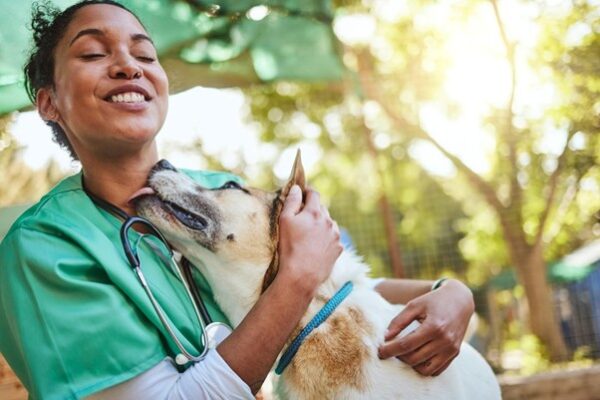
Animal hospitals are changing how they show up for you and your neighbors. You may notice more free pet education nights, school visits, or pop-up vaccine clinics in local parking lots. These are not publicity stunts. They are a response to real pressure. Rising costs, crowded shelters, and growing concern about public health push animal hospitals to step outside their walls. Community outreach helps you understand when your pet needs care. It also reduces fear, confusion, and guilt that often delay a visit. A veterinarian in Oakville may now spend time answering questions at a library event instead of waiting for emergencies to arrive at the clinic. This outreach can prevent suffering, protect families from bites and disease, and lower long-term costs. It also builds trust, which you need when your pet is in crisis.
Why animal hospitals cannot stay inside the clinic
You face rising rent, food prices, and fuel costs. You try to stretch every dollar. Pet care often becomes the first thing you delay. You wait for vaccines. You skip heartworm tests. You hope that the small limp goes away. Animal hospitals see the result. They treat preventable diseases. They see animals surrendered because families feel trapped and ashamed.
At the same time, shelters report more dogs and cats on intake lists. Staff see more bites, more lost pets, and more illness. Public health agencies track rabies, parasites, and other infections that can spread between pets and people. You can see data on pet-related diseases from the Centers for Disease Control and Prevention. That data shows clear links between basic pet care and human health.
Animal hospitals know they cannot fix this from exam rooms alone. They must meet you where you live, learn, and work.
How outreach helps your family and your pet
Community outreach is simple. Staff leave the clinic and share clear, practical help. You might see:
- Low-cost vaccine or microchip clinics in public lots
- Short talks at schools about safe play with dogs
- Workshops on flea control or nail trims at community centers
- Phone hotlines or virtual Q and A sessions
These efforts do three key things for you.
- They give you straight answers before a small concern becomes an emergency.
- They lower fear and shame so you feel able to ask for help.
- They show your children how to treat animals with care and respect.
When you know what to watch for, you can act early. That protects your pet from pain. It protects your family from bites or disease. It also protects your budget, because early care often costs less than crisis care.
Comparing clinic-only care and outreach-supported care
| Feature | Clinic only model | Clinic plus outreach model
|
|---|---|---|
| Where you learn about pet health | Only during appointments | At schools, online events, and local gatherings |
| Typical timing of visits | Late, often in crisis | Sooner, after early warning signs |
| Cost trend for families | Higher, due to emergency care | Lower, due to prevention and early treatment |
| Stress for pets | High, due to painful conditions | Lower, due to routine visits and shorter sickness |
| Trust between you and staff | Limited to short exam room talks | Stronger, built through repeated contact in familiar places |
| Impact on public health | Focus on single pets | Stronger control of bites and disease in the whole community |
Why outreach matters for public health
Many diseases move between animals and people. Rabies, ringworm, and some parasites can start in pets and reach your family. When pets miss vaccines or parasite control, risk grows for everyone on your street. Public health experts track these patterns and push for strong prevention.
Outreach events often focus on three public health goals.
- Keep rabies and other serious infections under control through vaccines.
- Limit parasites that can spread through soil or bites.
- Teach children how to read pet body language to prevent bites.
When animal hospitals bring this help to parks and schools, families who might never visit a clinic still gain protection. That reduces strain on emergency rooms and reduces fear in your neighborhood.
Helping families who feel left out or shut out
Some families avoid clinics because of cost. Others fear judgment. Some feel unsafe or unwelcome due to language barriers or past trauma. Outreach gives these families another path. Staff can meet them at faith centers, food banks, and housing complexes. They can offer simple advice, basic services, and clear next steps.
This approach shows three clear messages.
- You are not alone if you struggle to afford care.
- Your questions are worth time and respect.
- Your pet matters to your family and to the wider community.
That sense of respect can move a parent from silence to action. It can keep a pet in a home instead of a shelter. It can keep a child from watching a beloved pet suffer in front of them.
What you can do when you see outreach in your community
You play a role in this shift. When you see a flyer for a pet clinic or safety talk, you can:
- Attend and bring your questions.
- Share the event with neighbors who have pets.
- Bring your children so they can learn safe habits early.
You can also ask your local animal hospital what outreach they offer. You might suggest a talk at your child’s school or a clinic at your workplace. Many staff members want to help. They just need to know where their time will reach you best.
Why this change matters for you today
Community outreach by animal hospitals is not a trend. It is a necessary shift in how pet care works. It responds to tight budgets, full shelters, and real health threats. It gives you clearer choices and more control. It protects your pet, your children, and your neighbors.
When you meet veterinary staff at a library, a park, or a school, you are not just picking up free tips. You are building a line of trust that may carry you through the hardest day of your pet’s life. That connection can steady your voice, clear your mind, and help you choose what is right when every second feels heavy.