

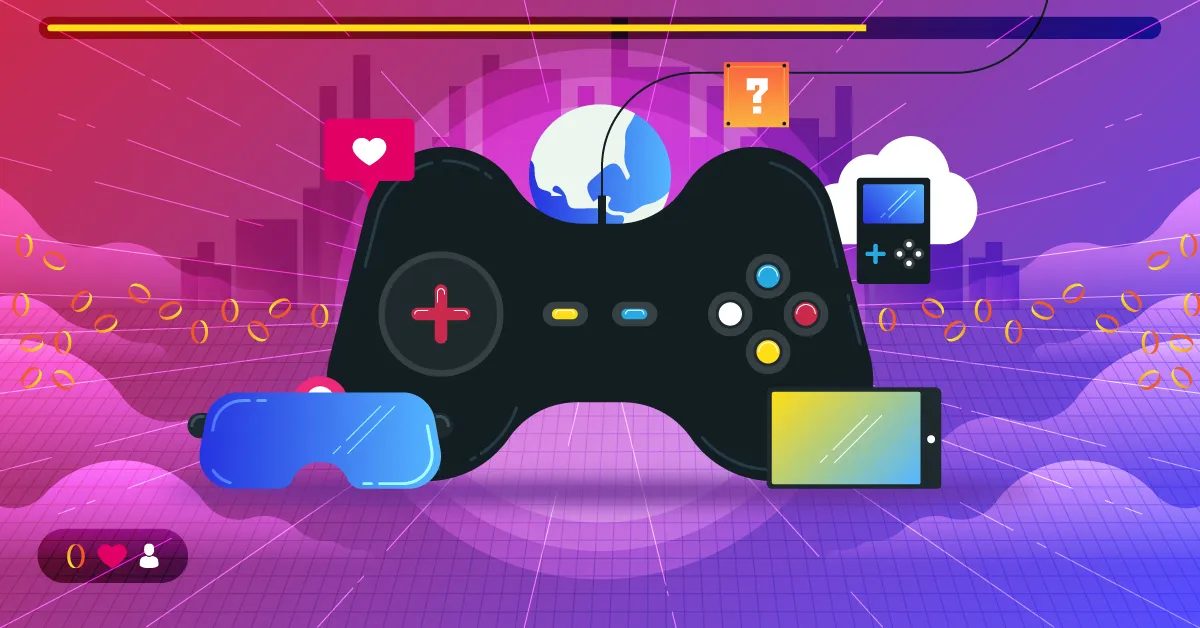
Gaming has always been a form of play, but in today’s world, it has become one of the most powerful forces in the entertainment industry. What started with simple pixelated graphics has now evolved into immersive worlds, multiplayer universes, and communities that bring together millions of people across the globe. Online gaming, in particular, has changed the way players interact, compete, and even form friendships.
The Early Days of Online Play
The idea of online gaming began in the late 20th century with simple text-based games and basic multiplayer platforms. Although the graphics and gameplay were limited, these early systems introduced a groundbreaking concept: connecting players through the internet.
Titles like “Doom” and “Quake” brought the first taste of multiplayer shooters, while role-playing communities flourished on servers that laid the foundation for today’s massive online universes. These small beginnings paved the way for the thriving global gaming culture we know today.
The Rise of Esports
One of the most exciting outcomes of online gaming has been the growth of esports. Competitive gaming has transformed into a billion-dollar industry, attracting sponsors, media coverage, and audiences that rival traditional sports.
Professional players train rigorously, strategize as teams, and compete in international tournaments watched by millions. Games like League of Legends, Dota 2, and Counter-Strike have become more than entertainment they are now careers, complete with training facilities and professional coaches.
Gaming Communities and Social Connection
Beyond competition, online gaming has also become a powerful tool for social interaction. Players form friendships, join guilds, and build lasting relationships with people they may never meet in person.
Voice chats, streaming platforms, and forums allow communities to share strategies, celebrate victories, and even support each other through real-life challenges. For many, gaming isn’t just about winning it’s about belonging to a community where shared passion creates strong bonds.
The Blurring of Gaming and Everyday Life
Gaming is no longer confined to desktops or consoles. Smartphones and tablets have made it possible for people to enjoy games anywhere, anytime. From casual puzzle games to complex battle royales, mobile gaming has opened the door for a wider audience.
Interestingly, the gaming world has also blended with other aspects of life. Some online platforms mix sports fandom with digital experiences, showing how traditional pastimes adapt in virtual spaces. For example, conversations about platforms like เว็บแทงบอลออนไลน์ illustrate how gaming and real-world sports culture often intersect in the online space.
Challenges in the Online Gaming World
While online gaming offers entertainment and connection, it also comes with challenges. Issues such as toxic behavior, screen addiction, and cyber bullying have raised concerns among players and parents alike.
Developers are increasingly addressing these issues by introducing stricter community guidelines, moderation systems, and features that promote healthy gaming habits. Balancing fun with responsibility remains an ongoing challenge for the industry.
The Future of Online Gaming
Looking ahead, the future of online gaming promises even more innovation. Technologies like virtual reality (VR) and augmented reality (AR) will provide immersive experiences where players can step directly into their favorite worlds. Artificial intelligence is expected to create smarter opponents and dynamic environments that respond to player behavior.
Cloud gaming is another revolution in the making, allowing players to stream high-quality games without expensive hardware. With these advancements, gaming will become even more inclusive and accessible, bringing in new audiences from every corner of the world.
Conclusion
Online gaming has grown far beyond its humble beginnings. It is now a cultural phenomenon, an industry worth billions, and a form of entertainment that connects people across borders. From esports to casual play, from mobile apps to VR experiences, gaming has something for everyone.
As technology continues to evolve, the possibilities will only expand, making the gaming world an even bigger part of global culture. While challenges remain, the essence of gaming fun, connection, and creativitywill continue to thrive in the digital age.