

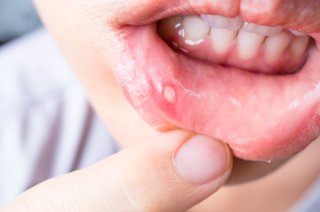
It often starts small. A sore spot catches on your tooth when you talk, then breakfast stings, coffee burns, and by the end of the day even swallowing feels like work. You may be hoping it will fade in a day or two, but some ulcers do not stay minor. When pain gets worse, the sore grows, or you start avoiding food and sleep because your mouth hurts that much, it may be time to seek help for dental emergencies in Elizabeth, NJ, since home care may no longer be enough.
A mouth ulcer can come from irritation, stress, a bite to the cheek, braces, certain foods, or an underlying health issue. Many heal on their own. Some do not. A severe sore can interfere with eating, hydration, speech, and daily comfort, and it can also look a lot like other oral problems that need a different kind of treatment. That is when a general and emergency dentist becomes part of the picture.
Severe Mouth Ulcers Can Signal More Than Simple Irritation
Most people think of a canker sore when they hear “mouth ulcer.” That is often true, but not always. A sore inside the mouth may be caused by trauma from a sharp tooth edge, a broken filling, dentures that rub, infection, immune problems, nutritional deficiency, or medication side effects. Fever blisters are different from canker sores, and the National Institute of Dental and Craniofacial Research explains those differences clearly. That matters because treatment depends on the cause, not just the pain.
You may also be dealing with more than one problem at once. A small ulcer can become severe because it keeps getting scraped by a tooth. A person with dry mouth may heal more slowly. Someone who is already run down may notice several sores at the same time. If the pain is sharp, constant, or lasting longer than expected, it stops being a simple annoyance and starts affecting your health in practical ways.
Eating less because every bite hurts can leave you tired and dehydrated. Children and older adults can struggle even faster. If speaking hurts, work becomes harder. If the sore sits near a back tooth or along the gumline, you might even wonder whether it is a dental infection instead. That uncertainty is stressful, and it is a good reason to get the area checked rather than guessing for another week.
Signs A Mouth Sore Needs Professional Dental Care
When a severe mouth ulcer requires more than at home care, the warning signs are usually clear. The sore lasts more than 10 to 14 days. It keeps getting larger. The pain feels out of proportion to the size. You see swelling, pus, bleeding that does not stop, or a white, red, or mixed-color patch that is not healing. You have trouble eating or drinking enough. You also need prompt care if you have fever, swollen lymph nodes, bad breath that suddenly appears with the sore, or pain linked to a broken tooth, recent dental work, or facial swelling.
A dentist can examine the sore in context. Is there a jagged tooth edge cutting into your cheek every time you chew? Is there a sign of infection nearby? Does the ulcer have features that suggest a non-dental medical issue? If the source is local irritation, smoothing a tooth or adjusting a dental appliance may remove the reason it is not healing. If the sore looks suspicious or persistent, you may need further testing or referral.
For a broad overview of causes, symptoms, and when to seek care, MedlinePlus offers a useful guide to mouth ulcers. That kind of medical background helps, but it does not replace an in-person exam when pain is severe or healing stalls.
At Home Care Helps Mild Ulcers, But Severe Cases Need A Different Response
At home care can soothe a mild sore. Saltwater rinses, avoiding spicy or acidic foods, using a soft toothbrush, and over the counter protective gels can reduce irritation. Those steps are reasonable for a small ulcer that is already improving. They are less helpful when the sore is being repeatedly traumatized or when the pain is keeping you from eating and drinking.
Severe canker sore treatment often means identifying and removing the trigger, controlling pain more effectively, and checking for other conditions that mimic a routine ulcer. That is where emergency dental care for mouth ulcers can make a real difference. The goal is not just symptom relief. It is making sure the sore heals and that nothing more serious is being missed.
| Situation | At Home Care | Professional Dental Care |
|---|---|---|
| Small sore present for a few days | Rinses, bland foods, topical relief may help | Usually not needed unless symptoms worsen |
| Sore lasts more than 10 to 14 days | May ease discomfort but will not address the cause | Exam can identify trauma, infection, or other concerns |
| Pain makes eating or drinking difficult | Limited benefit if hydration and nutrition are affected | Pain control and treatment plan can prevent further decline |
| Sharp tooth, broken filling, or denture rubbing nearby | Sore often returns because irritation continues | Dentist can correct the source so healing can begin |
| Swelling, fever, drainage, or facial pain | Not enough for possible infection or urgent issue | Prompt evaluation is the safer choice |
Three Steps You Can Take Right Now
- Check the timeline and the pain. If the ulcer has lasted more than two weeks, is getting worse, or makes it hard to eat, drink, or sleep, stop waiting it out. Duration and pain level tell you a lot.
- Remove obvious irritants. Avoid spicy, salty, acidic, and rough foods. Use a soft toothbrush. If a tooth feels sharp or a denture is rubbing the same spot, that is a strong clue the sore needs dental attention.
- Get examined by a dentist when red flags show up. A mouth ulcer dentist can tell whether you are dealing with a routine sore, a trauma-related ulcer, or something that needs a different path of care. Go sooner if there is swelling, fever, drainage, or trouble swallowing.
Prompt Care Can Shorten Pain And Prevent Bigger Problems
You do not have to tough this out just because mouth sores are common. Some heal quietly with basic care. Some keep hurting because the cause is still there, and some need prompt attention to rule out infection or another condition. If your ulcer is severe, lingering, or disrupting daily life, it is time to contact a general and emergency dentist. Getting the sore looked at now can bring relief faster and help protect your overall health.