

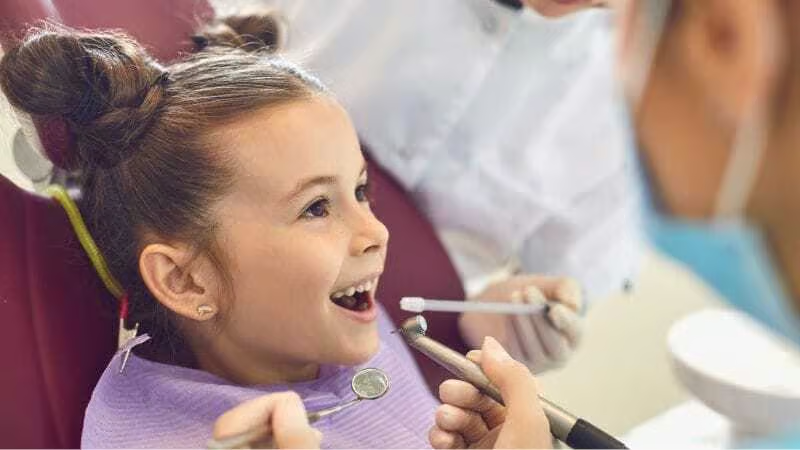
School mornings can feel like a relay race. Someone cannot find a shoe, someone else forgot a permission slip, breakfast is half eaten, and brushing teeth turns into one more thing you have to push through before everyone gets out the door. If that sounds familiar, you are not failing. The school year changes the rhythm of the whole house, and dental habits are often the first thing to get rushed. If you have been wondering where to find a trusted family dentist in Methuen, you are not alone.
That is the real problem. Kids do better with routines, but school schedules, sports, homework, and tired evenings can break even the best plans. The good news is that oral care does not need to become another daily fight. A few small changes can make brushing, flossing, and checkups easier to manage, and they can help protect your child from cavities, gum irritation, and missed school days from tooth pain.
School year routines make oral care easier when they are simple
Children usually do not resist dental care because they do not understand it. They resist because they are rushed, distracted, tired, or hungry. That is why a complicated routine rarely lasts. A simple one does. If your child has to remember five products, a special rinse, and a reward chart before 7:15 a.m., the routine will likely fall apart by Wednesday.
Start with the basics and make them automatic. Brushing twice a day with fluoride toothpaste matters more than trying to create a perfect routine all at once. The CDC’s oral health tips for children reinforce the same idea. Daily habits, healthy drinks, and regular dental visits do more than occasional bursts of effort.
This is where many parents get stuck. You know what your child should do, but the gap between knowing and getting it done can feel huge when the day is already packed. That gap gets smaller when the routine is tied to things that already happen, like brushing right after breakfast and right before pajamas go on.
Better brushing habits during the school year reduce last minute stress
One of the most useful back to school dental care tips is to stop treating brushing as a loose task and start treating it like a fixed part of the schedule. If it happens after random moments, it gets skipped. If it happens after breakfast and before bed every day, it becomes part of the day rather than a negotiation.
Technique matters too. Children often brush fast and miss the gumline, back teeth, or inside surfaces. The University of Iowa toothbrushing protocol gives a clear model for brushing thoroughly without making it complicated. For younger children, supervised brushing is still important. For older kids, a quick check can tell you whether they are really brushing or just moving a toothbrush around for 20 seconds.
If your child wears braces, has sensory issues, or hates mint toothpaste, the routine may need adjusting. A smaller brush head, a different flavor, or brushing in a quieter bathroom can make a bigger difference than another lecture.
Snacks and drinks can quietly undo good dental care
You can do everything right at home and still run into problems if the school day is full of sugary drinks and sticky snacks. Juice boxes, sports drinks, fruit gummies, and crackers that cling to teeth can feed cavity causing bacteria for hours. A child does not need candy every day to develop decay. Frequent sipping and grazing can be enough.
That does not mean lunchboxes need to be perfect. It means a few better defaults help. Water is easier on teeth than juice or soda. Cheese, yogurt, apples, and crunchy vegetables tend to be friendlier choices than sticky sweets. If your child does have a sweet snack, it is usually better with a meal than as a long afternoon nibble.
For a broad overview of children’s dental health basics, MedlinePlus offers practical guidance on brushing, diet, fluoride, and dental visits. It is a helpful reminder that food choices and oral care work together.
Small planning changes make family dentist visits less disruptive
Many families postpone cleanings once school starts because every week feels crowded. Then fall turns into winter, a small issue gets bigger, and now you are trying to fit in an urgent visit around tests, games, and work. Preventive care is usually easier, cheaper, and less stressful than waiting until your child complains that a tooth hurts.
A school year oral health routine works best when dental visits are booked before the calendar fills up. Early morning appointments, teacher workdays, and school breaks often cause less disruption than trying to squeeze in a last minute slot. This is where a trusted family dentist can help, especially when more than one child needs care and you want visits coordinated.
Practical school year dental care choices have different payoffs
| Common Situation | Quick Fix | Better Long Term Choice | Likely Result |
|---|---|---|---|
| Rushed morning | Brush in the car or skip it | Brush right after breakfast before shoes and backpacks | Fewer missed brushing sessions |
| After school thirst | Sports drink or juice pouch | Water bottle kept in backpack | Less sugar exposure during the day |
| Bedtime resistance | Short brushing without supervision | Two minute brush with a parent check | Cleaner teeth and better brushing coverage |
| Busy semester scheduling | Wait until pain starts | Book preventive cleanings early | Fewer urgent visits and lower treatment costs |
Three steps you can take today to make dental care easier
- Build brushing into fixed moments. Pick two non negotiable times, usually after breakfast and before bed. Keep toothbrushes, toothpaste, and floss in the same place every day. Children do better when the routine is predictable and boring.
- Set up the environment to reduce friction. Put a spare toothbrush in a travel bag. Send a water bottle to school. Choose toothpaste flavors your child will actually use. If evenings are chaotic, lay out pajamas and toothbrushes before dinner so bedtime has one less hurdle.
- Book preventive care before problems interrupt school. Put checkups on the calendar early and treat them like any other school year commitment. Routine care supports children’s dental care far better than waiting for discomfort, swelling, or a call from the school nurse.
Steady habits matter more than perfect ones
You do not need a flawless routine to protect your child’s teeth. You need a routine your family can keep doing when the week gets messy. A few steady habits, better snack defaults, and regular visits with a family dentist can take a lot of pressure out of the school year and help your child stay comfortable, healthy, and ready to focus on everything else school brings.
If your child is due for a checkup, now is a good time to schedule it and get ahead of the rush.